
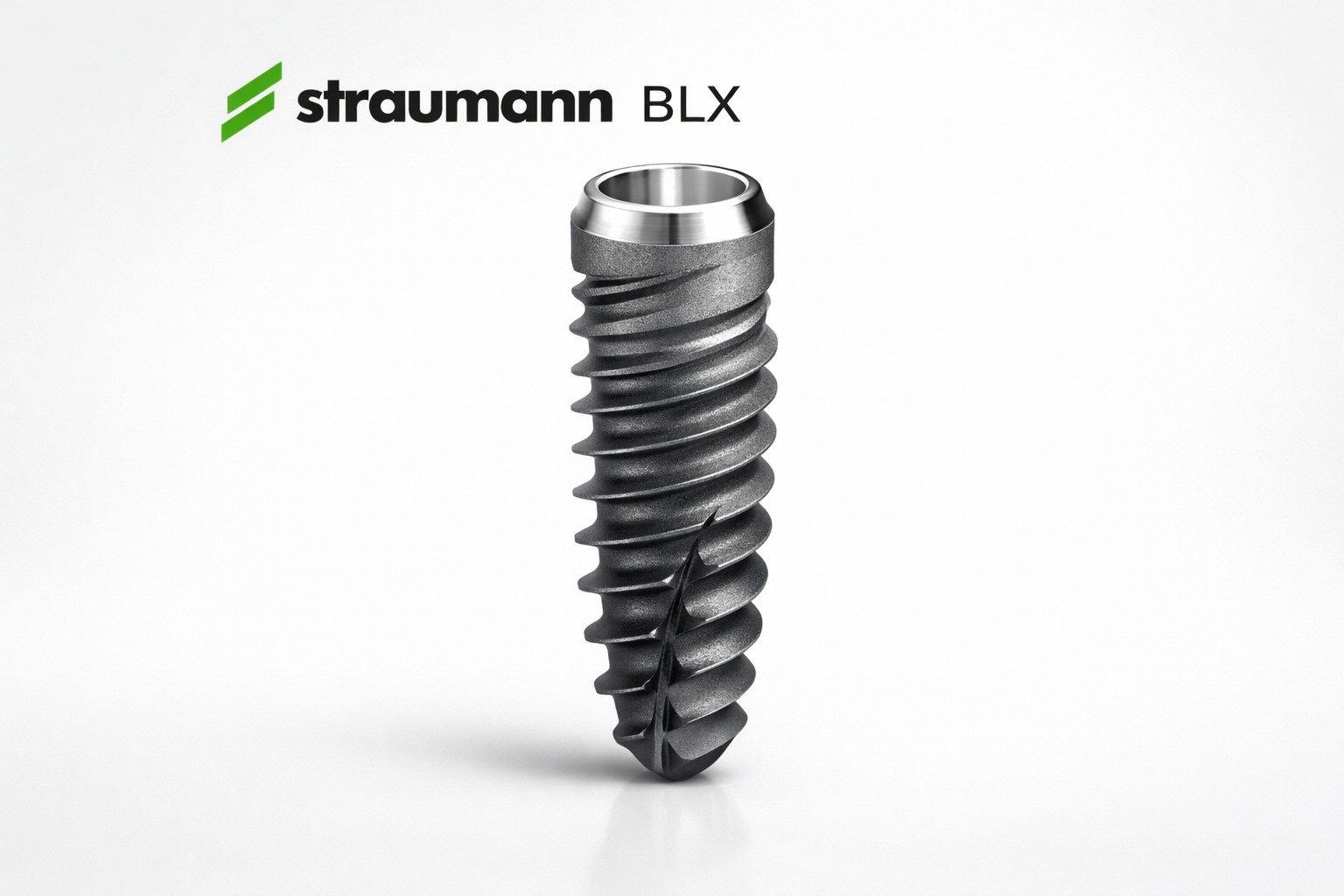
How long do dental implants last — and how do you make them last longer?
With proper care, a well-placed dental implant can last a lifetime. Here is what the evidence says and what you can do to protect your investment.
One of the most common questions patients ask before implant treatment is: how long will it last? The honest answer is that a well-placed dental implant, properly maintained, can last a lifetime. The titanium implant itself — the root component placed into the jaw — has an excellent long-term track record in clinical studies. The crown on top may eventually need replacing, typically after 15 to 25 years depending on the material and the forces placed on it.
What determines implant longevity?
Several factors influence how long an implant lasts. The quality of the initial planning and placement matters enormously — proper 3D imaging, correct positioning, and the choice of implant system all contribute to long-term stability. Patient factors also play a role: bone density, gum health, smoking status, and whether conditions like diabetes are well controlled.
Does smoking affect implants?
Yes, significantly. Smoking impairs blood supply to the gums, slows the healing process, and increases the risk of peri-implantitis — a form of gum disease that affects the tissue around implants. Smokers have a higher rate of implant complications and failures. Stopping smoking before and after implant placement significantly improves outcomes.
How to maximise the lifespan of your implants
Brush twice daily with a soft or electric toothbrush, clean between the implant and adjacent teeth with interdental brushes or floss, and attend regular hygiene appointments. Implants do not decay, but the gum and bone around them can be damaged by plaque if not managed. Routine maintenance is the single most important factor in long-term implant success.
What is peri-implantitis?
Peri-implantitis is an inflammatory condition that affects the gum and bone around an implant, caused by bacterial buildup. If left untreated, it can lead to bone loss and eventually implant failure. It is treatable if caught early — which is why regular professional hygiene visits matter even after implant placement.
Ready to visit Apex Dental?
Book an appointment online or contact us directly — our team will guide you through your options.