Orthodontics in Malta: straighter teeth and a better bite, with braces or clear aligners
Orthodontics at Apex Dental is led by Dr Aleksandra Syrico Mallia. From fixed braces to clear aligners — including our own in-house Orthix — she treats children, teenagers and adults, choosing the approach that fits your case rather than a one-size-fits-all option.

Orthodontics led by Dr Aleksandra Syrico Mallia
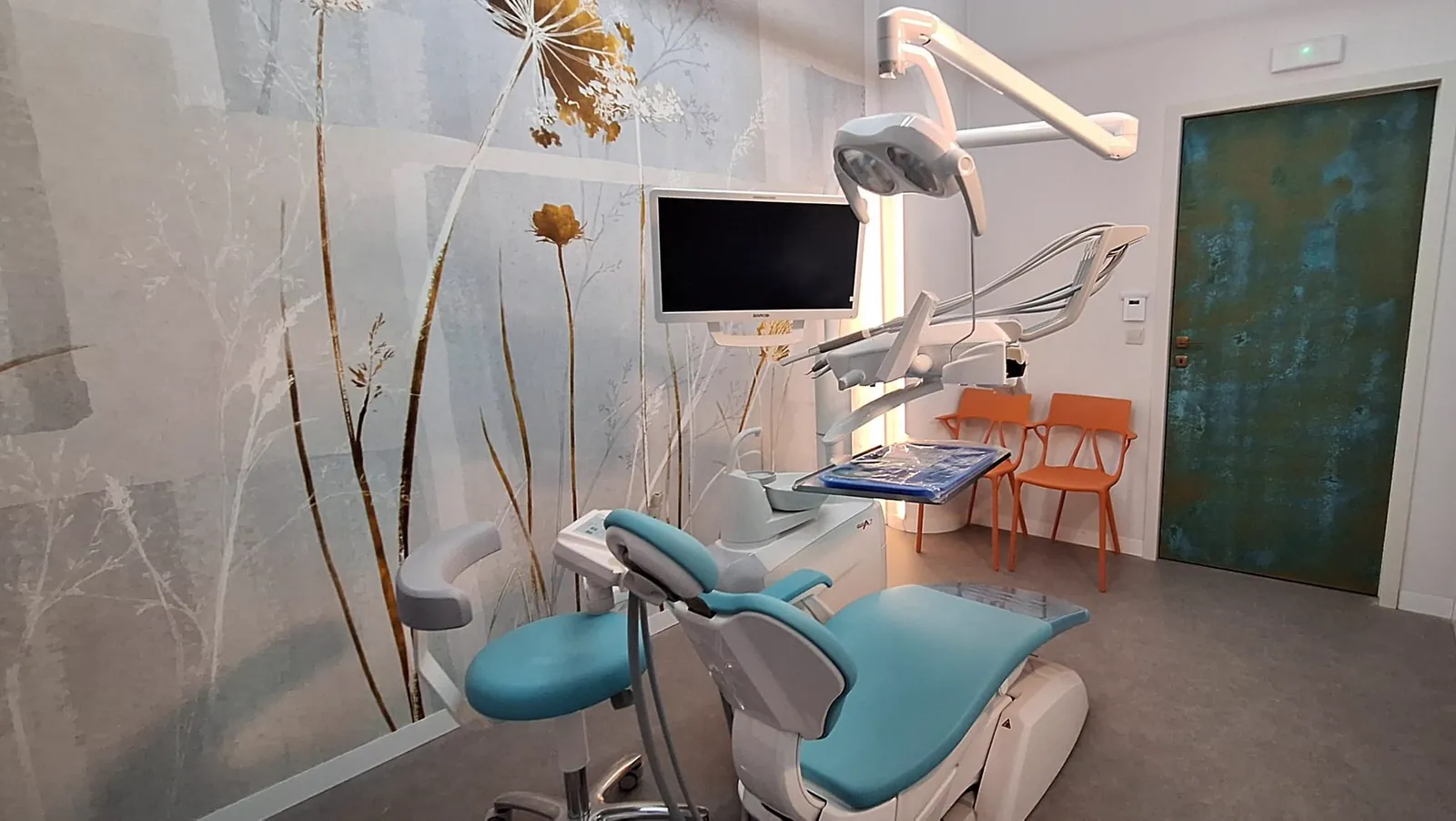
At Apex Dental all of our orthodontics is done by one dentist, Dr Aleksandra. She plans every case around how your teeth meet, not just how they look head-on, because a bite that closes evenly is easier to keep clean and wears far more slowly over the years. She sees children, teenagers and adults, and is straight with you about what each option can and cannot do.
Orthodontics in-house, not a general add-on service
Children, teenagers and adults all treated
Planning built around your bite, not just appearance
Honest advice on braces versus aligners
Fixed braces when they are the better tool
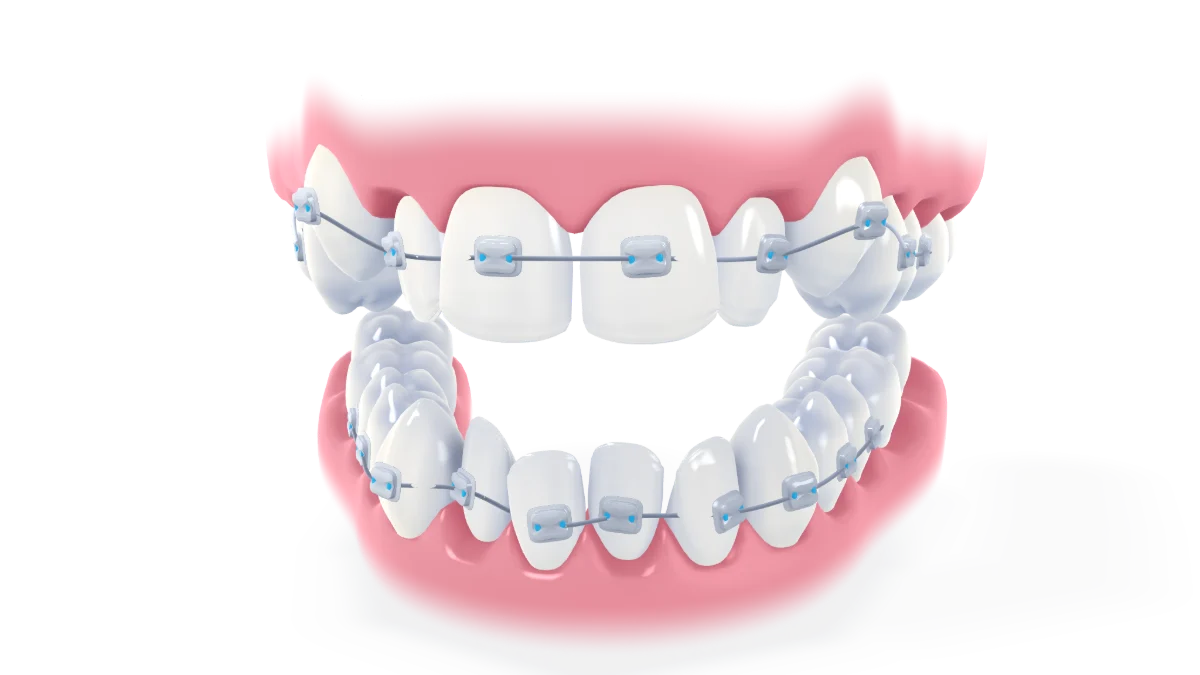
For all the attention aligners get, fixed braces still correct some cases more predictably — bigger movements, rotations and more complex bites in particular. Modern braces are smaller and neater than the ones you might remember, and clear or tooth-coloured brackets make them far less obvious. Where braces are genuinely the better route for your result, Dr Aleksandra will tell you so.
Reliable for complex movements and bites
Smaller, neater brackets than older systems
Clear and tooth-coloured options available
Suitable across a wide range of ages and cases
Clear aligners, including our own in-house Orthix
Clear aligners straighten teeth using a series of near-invisible removable trays, with no metal on show. We are not tied to a single brand: alongside our own Orthix aligner, made in-house, we work with several established systems and match the right one to your case and budget.
Our own clear aligner, planned and produced at Apex Dental. Faster to start, fully under our control, and more affordable than the international brands.
Learn more about Orthix →The best-known clear aligner system, with a long track record across a wide range of cases.
Learn more about Invisalign →A well-established clear aligner option from the Straumann Group, often a cost-effective route for suitable cases.
Learn more about ClearCorrect →A clinician-led aligner system built for more demanding cases. It combines aligners with auxiliaries such as mini-screws and segmental mechanics to achieve movements aligners alone often cannot.
Learn more about Ordoline →German-made clear aligners produced to ISO 13485 standards in a three-layer biocompatible material, with a 3D preview of your result before treatment starts.
Learn more about Cristaline →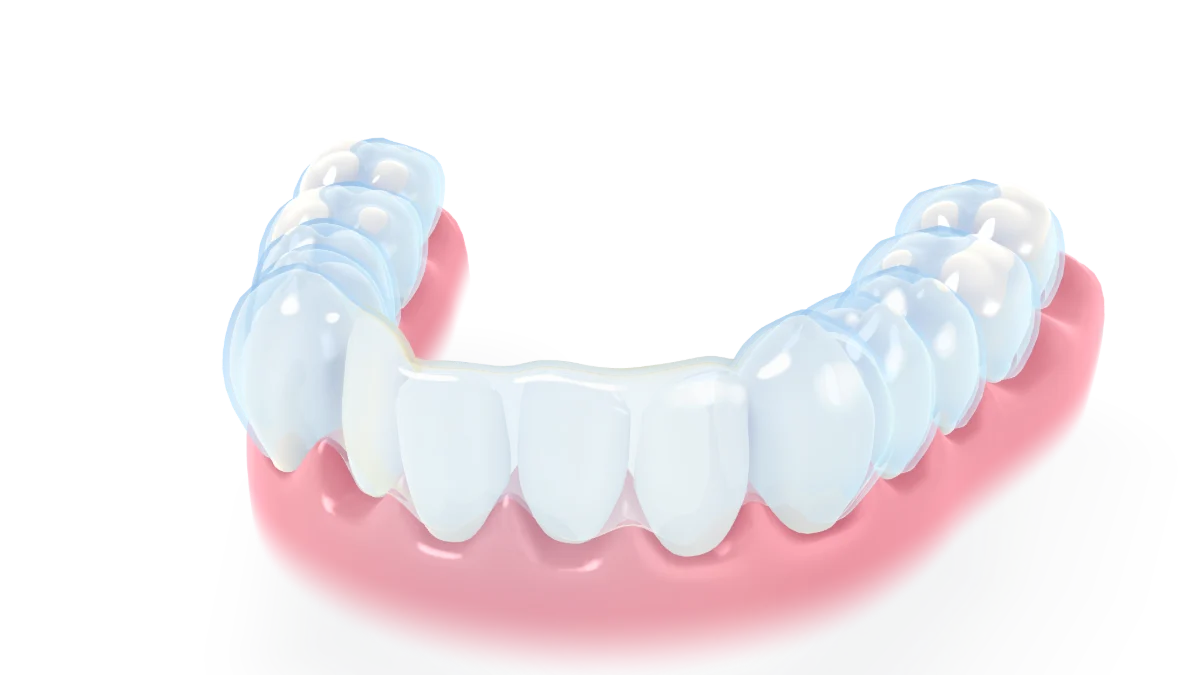
Why we make Orthix in-house
Most clinics send their aligner cases off to a large international lab and wait. We produce Orthix at Apex Dental instead. That means Dr Aleksandra controls the planning directly, there is less waiting between your scan and starting treatment, and we can offer aligner treatment at a more accessible price than the big-name brands — without giving up clinical control of your case.
Planned and produced at our own clinic
Less waiting between scan and starting
More affordable than international aligner brands
Full clinical control kept in-house
What orthodontic treatment can put right
Straightening teeth is about far more than appearance. Teeth that meet evenly are easier to keep clean and wear down more slowly over a lifetime. These are the issues Dr Aleksandra most often treats, in children, teenagers and adults alike.
Crowding
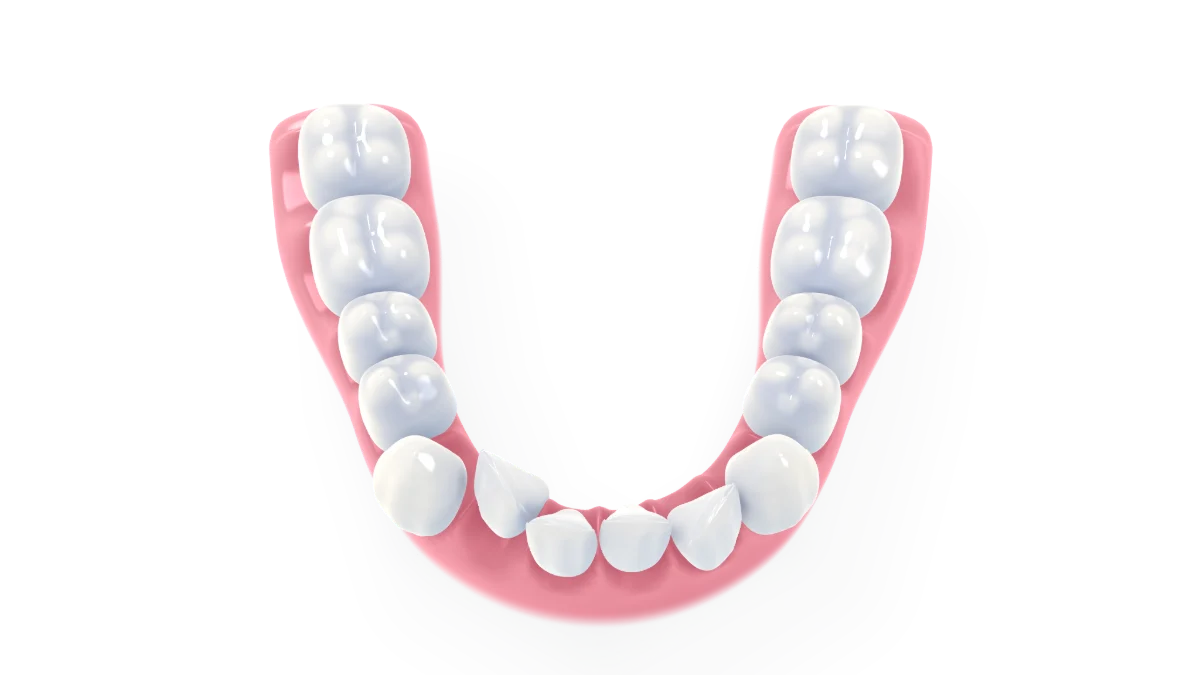
Teeth that overlap or sit twisted because there is not enough room for them. Crowding traps plaque in places a brush struggles to reach, so it is as much a health issue as a cosmetic one.
Gaps and spacing
Spaces between the teeth, whether from teeth that are small for the jaw or from teeth that are missing. Closing them, or redistributing the space, gives a more even smile and a better bite.
Overbite
Upper front teeth that sit too far forward over the lower ones. A deep overbite can wear the lower teeth and, left alone, sometimes causes the lower teeth to bite into the gum.
Underbite
Lower teeth that close in front of the upper teeth. This puts uneven load on the teeth and jaw and is usually worth assessing early in children.
Crossbite
Upper and lower teeth meeting on the wrong side of each other. A crossbite can wear the enamel unevenly and strain the jaw over time.
Open bite
Front teeth that do not meet even when the back teeth are closed together, which makes biting into food awkward and can affect speech.
Patient education
How orthodontics works
What is actually happening while your teeth straighten: how the bone lets a tooth move into a new place, and what braces and their small elastics are really doing.
How teeth move: the bone behind it
Gentle, steady pressure from braces or clear aligners signals the jawbone to remodel around each tooth. Bone clears on the side the tooth is moving towards and rebuilds on the side it leaves, so the tooth shifts step by step into its new place, and the bone then holds it there.
Braces, wire and elastics
Each bracket holds a fine wire that guides its tooth along a planned path. Small elastics hooked between the upper and lower teeth add a gentle extra pull that brings the bite together; wearing them for as many hours a day as your dentist advises keeps treatment on track.
Keeping your result: retainers
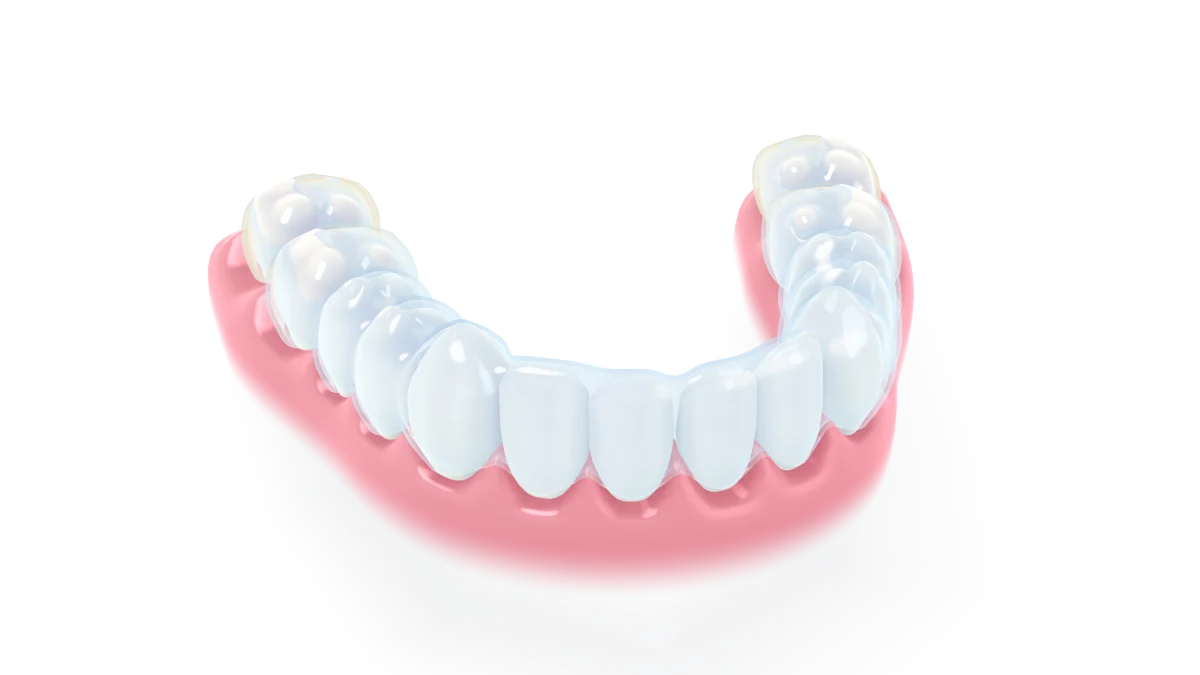
Orthodontic treatment is not finished the day the braces come off or you wear the last aligner. Teeth will slowly try to drift back towards where they started, so a retainer holds everything in its new position while the bone settles around it. Dr Aleksandra plans this from the outset and will explain whether a removable retainer, a thin fixed wire bonded out of sight behind the teeth, or a combination of both is right for your case. A retainer looked after properly is what keeps a straightened smile straight for good.
Holds the teeth in their corrected position
Removable or fixed behind-the-teeth options
Prevents the gradual drift back over the years
Planned as part of the treatment, not an afterthought
Treatment Process
What to expect, step by step
Step 1: Consultation with Dr Aleksandra
We look at your teeth and, just as importantly, how they bite together. This is where we work out whether fixed braces, clear aligners, or our in-house Orthix would suit your case, and what is realistic to achieve.
Step 2: Digital scan and plan
We take a digital scan rather than putty impressions and build a plan that shows how the teeth will move. For aligner cases you can see the projected result before committing.
Step 3: Starting treatment
Braces are fitted, or your aligners are made and handed over with instructions on wear and cleaning. Either way you leave knowing exactly what to do and what to expect over the coming weeks.
Step 4: Reviews and refinement
You come in periodically so Dr Aleksandra can check the teeth are tracking the plan, adjust braces or hand over the next aligners, and make any refinements needed to finish the case properly.
Transparent pricing — no surprises
Orthodontic fees depend on how complex the case is. Dr Aleksandra Syrico Mallia gives you the full figure for your case at the consultation.
View full price listFrequently asked questions
Related treatments
Other care that often goes with this
Thinking about straightening your teeth?
Book an orthodontic consultation with Dr Aleksandra. She will check your teeth and bite and talk you through your options — fixed braces, clear aligners, or our in-house Orthix — with a clear plan and timeframe.