Dental bone grafting in Malta: rebuilding the bone an implant needs
When the jawbone is too thin or too short for a dental implant, a bone graft rebuilds it. At Apex Dental it is planned from a 3D scan and carried out by implantologist Dr Jonathan Mifsud at our Trident Park clinic.
Why bone matters for an implant
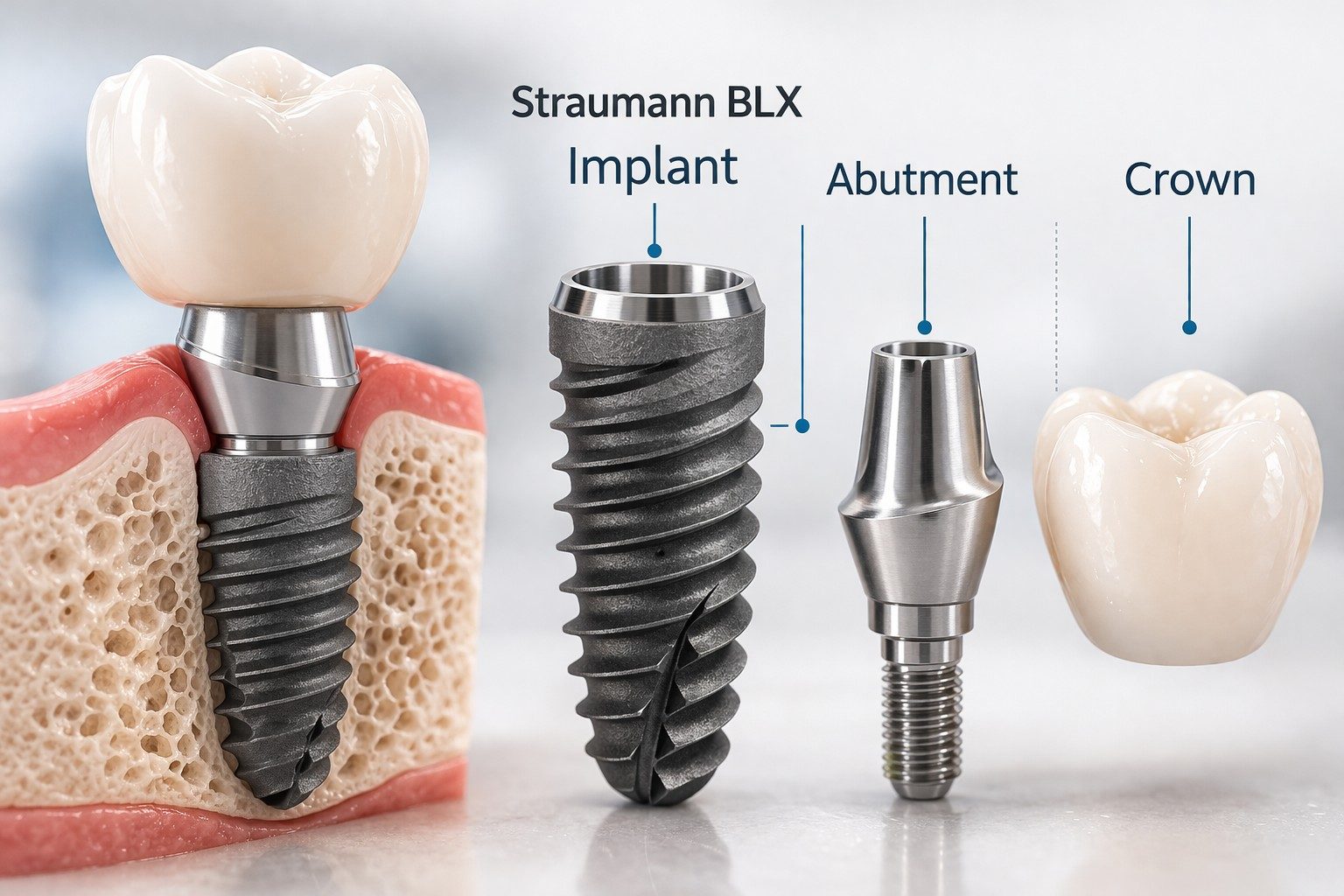
A dental implant is a small titanium post that takes the place of a missing tooth's root, and like a root it needs solid bone around it to hold firm. The problem is that when a tooth is lost, the bone that used to support it is no longer loaded and begins to shrink, often within the first few months. Years of a gap, gum disease, or an old injury can leave the ridge too narrow or too low for an implant to anchor into safely. A bone graft rebuilds that bone first, so the implant has something strong to sit in — it is what makes an implant possible in places it otherwise would not be.
An implant needs solid bone to hold it
Bone shrinks once a tooth is lost
Thin or short ridges cannot anchor an implant safely
A graft rebuilds the bone before the implant goes in
The 3D scan decides, not guesswork
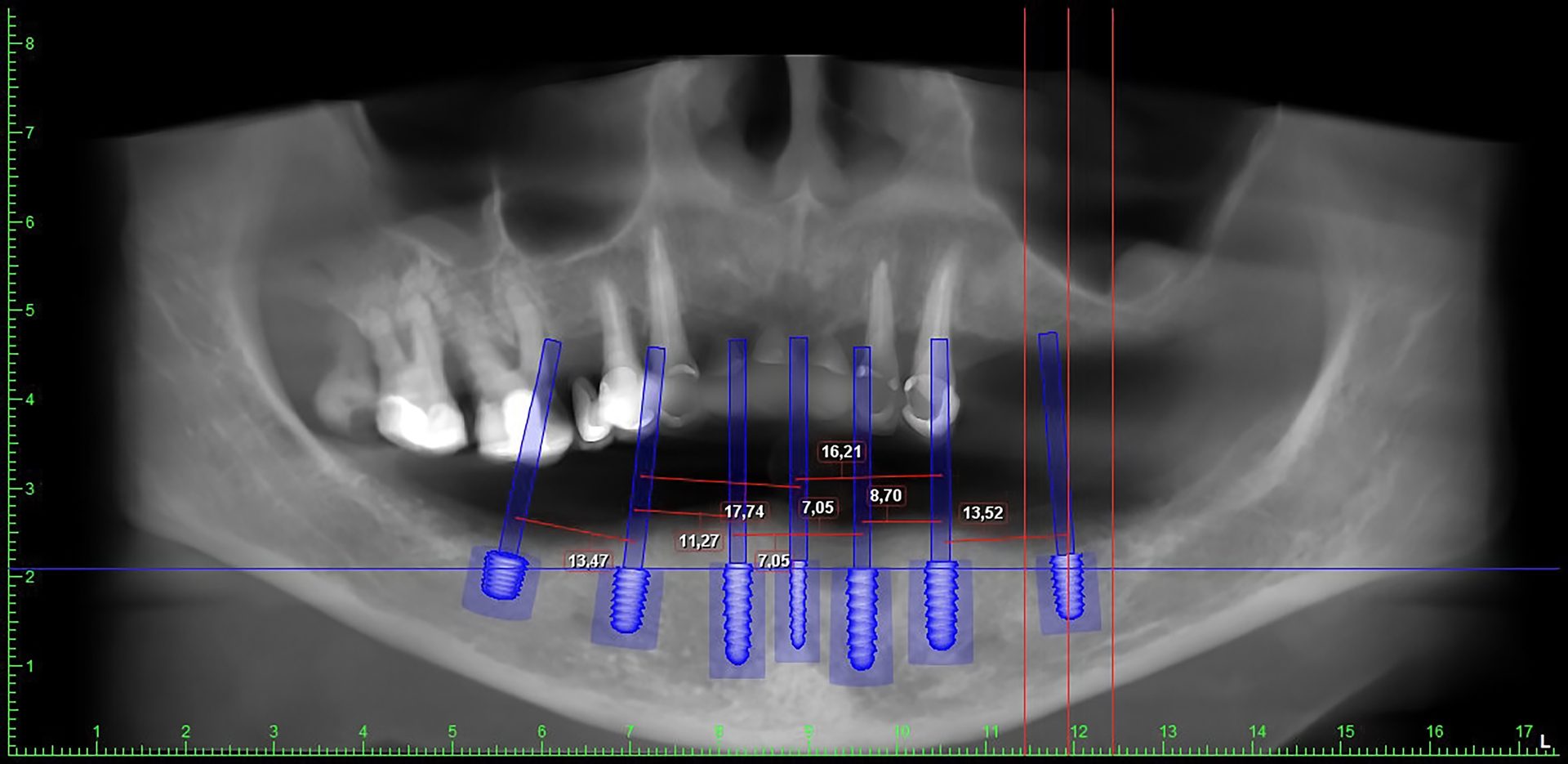
Whether you need a graft at all is settled by a CBCT scan — a low-dose 3D X-ray that shows your jaw in cross-section rather than the flat picture an ordinary X-ray gives. It measures the exact height and width of bone you have, and shows where the nerve and the sinus sit. From that we can tell you honestly whether there is enough bone for an implant as things stand, whether a small graft placed with the implant would do it, or whether more bone needs rebuilding first. The scan is included at no extra cost when you go ahead with implant treatment.
Low-dose 3D imaging, not a flat X-ray
Measures the real height and width of bone
Shows nerve and sinus position before anything starts
Scan included when you proceed with treatment
What to expect, step by step
Consultation and 3D scan
It starts with an implant consultation (€30, free if you go ahead with implant treatment) and a CBCT scan — a low-dose 3D X-ray that shows the height and width of your bone in cross-section. The scan (€120, and included when you proceed with implant surgery) is what tells us whether a graft is needed at all, and if so how much bone has to be rebuilt.
Placing the graft
The area is numbed with local anaesthetic. The grafting material is placed where the bone is thin and usually covered with a protective membrane, then the gum is closed over it. For a small graft this is often done at the same time as placing the implant; where more bone is needed, it is done first as its own step.
Healing
Over the following months your body replaces the graft with your own new bone — a gradual process you barely notice. How long this takes depends on how much was rebuilt, from a few months for a small graft to longer for a larger one. We keep an eye on it and tell you when the bone is ready.
The implant goes in
Once the rebuilt bone is solid, the implant is placed into it exactly as it would be into natural bone, and treatment carries on from there to the final tooth. The graft is what makes that implant possible where it would not have been before.
Bone grafting at Apex Dental, and how it fits with your implant
Every graft is planned from a 3D scan and carried out by Dr Jonathan Mifsud at our Trident Park clinic in Mrieħel, Birkirkara. These are the ways bone is rebuilt for an implant.
A graft with the implant
Where only a little bone needs building up, the graft and the implant often go in during the same procedure, so there is no separate healing stage to wait through.
A graft on its own first
Where more bone has to be rebuilt, the graft is placed first and left to heal into solid bone over a few months before the implant is placed into it.
A sinus lift
In the upper back jaw, where the sinus leaves too little height, the sinus membrane is gently lifted and bone is built up beneath it — a routine, well-established procedure planned from your scan.
Towards your implant
A graft is almost always a step on the way to an implant. A single implant with its crown at Apex Dental is €1500, planned and placed in-house.
When a graft can be avoided
For a full arch, an All-on-4 approach angles the implants to use the bone you already have, which often avoids grafting altogether.
Planned, not decided on the day
Because the graft is mapped from the 3D scan in advance, you know before you commit whether one is needed, what it involves, and what it costs.
Transparent pricing — no surprises
There is no single price for a bone graft, because it depends entirely on how much bone needs rebuilding and where — so we quote it for you in writing at your consultation, once the 3D scan has shown exactly what is needed. The consultation is free and the scan is included when you go ahead with implant treatment, and the graft is always quoted as part of the overall implant plan, with no hidden extras.
View full price listFrequently asked questions
From our blog
More on implants and bone
How long do dental implants last — and how do you make them last longer?
With proper care, a well-placed dental implant can last a lifetime. Here is what the evidence says and what you can do to protect your investment.
How a dental implant is placed: the 7 steps explained
Watch our short animation of how a dental implant is placed, then read each of the seven steps in plain words, from the first scan to the final crown.
All-on-4 dental implants explained — what you need to know
All-on-4 gives patients with significant tooth loss a fixed, non-removable full arch of teeth on just four implants. Here is how it works.
Dental implants vs bridges — which is better for a missing tooth?
Both replace missing teeth, but they work very differently. Here is an honest comparison to help you decide.
Wondering whether you have enough bone for an implant?
Book a consultation and 3D scan with Dr Jonathan Mifsud. He will show you exactly what your bone looks like, tell you honestly whether a graft is needed, and give you a clear plan and price before anything starts.