Braces in Malta: fixed braces, the most reliable way to correct a difficult bite
For all the attention clear aligners get, fixed braces still straighten some cases more predictably than anything else. At Apex Dental they are fitted and managed by our orthodontist, Dr Aleksandra Syrico Mallia, for children, teenagers and adults.
What fixed braces do, and who they suit
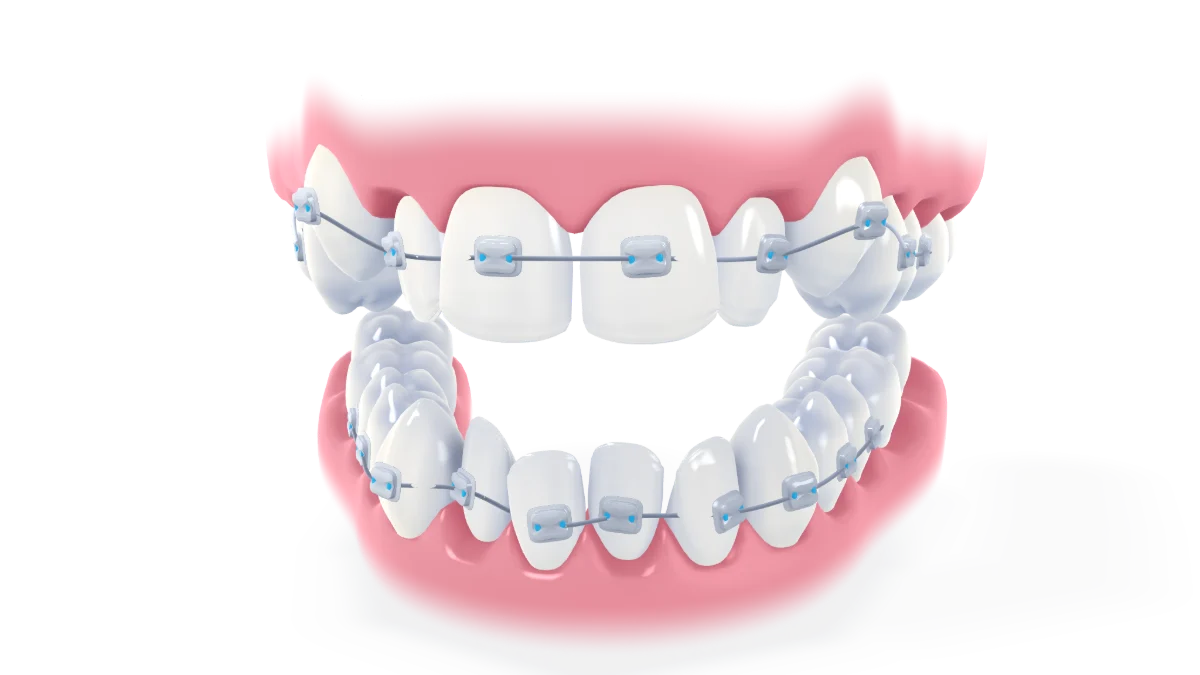
Fixed braces move teeth with a small bracket bonded to each tooth and a thin wire threaded through them. The wire applies a gentle, continuous pressure, and over the months the bone around each root quietly remodels so the tooth can drift into its planned position and hold there. Because the braces are fixed to the teeth, that pressure never stops — there is nothing to take out, nothing to lose and nothing to remember to wear — and the orthodontist keeps precise control over how every individual tooth moves. That combination of steady force and fine control is what lets braces tackle the cases that are hardest to treat any other way.
They suit a wide range of people. Crowded or overlapping teeth, gaps and spacing, and bite problems such as an overbite, underbite or crossbite all respond well, and braces come into their own with larger movements and rotations. Children and teenagers are the classic candidates, treated once enough of the adult teeth are through, but adults are just as welcome — there is no upper age limit as long as the gums and the supporting bone are healthy. At Apex Dental every case is fitted and managed by our orthodontist, Dr Aleksandra Syrico Mallia, who plans the movement from records and scans before a single bracket goes on.
Fixed braces or clear aligners?
This is the question most people arrive with, and the honest answer is that it depends on the case. Clear aligners are a series of near-invisible removable trays, and for many cases they are excellent — discreet, comfortable and taken out to eat and clean. Their weakness is that certain movements, such as rotating a tooth or shifting one a long way, and some more complex bites, are harder to achieve with trays alone, and they only work if they are actually worn for the 20 to 22 hours a day they need. Fixed braces cannot be left out, work continuously, and handle those trickier movements more predictably. For reference, aligner treatment on our price list starts from €2900 for ClearCorrect and from €3500 for Invisalign, while fixed braces for both arches start from €2800. Dr Aleksandra will look at your teeth and recommend the option that will genuinely get you the result, rather than steering you towards one by default — you can read more about the full range on our orthodontics page.
Braces for teens and braces for adults
For teenagers, the early teens are often the natural time — the adult teeth are through, and treatment fits around school and growing up. For adults, the picture has changed a great deal. Many people who missed out on braces as children, or whose teeth have shifted over the years, choose to straighten them later, and the only real requirement is that the gums and bone are sound. If being seen to wear braces is the worry, tooth-coloured ceramic brackets blend in far more than the metal braces people remember from school, and Dr Aleksandra will be straight with you about how visible each option really is.
When braces are the better tool
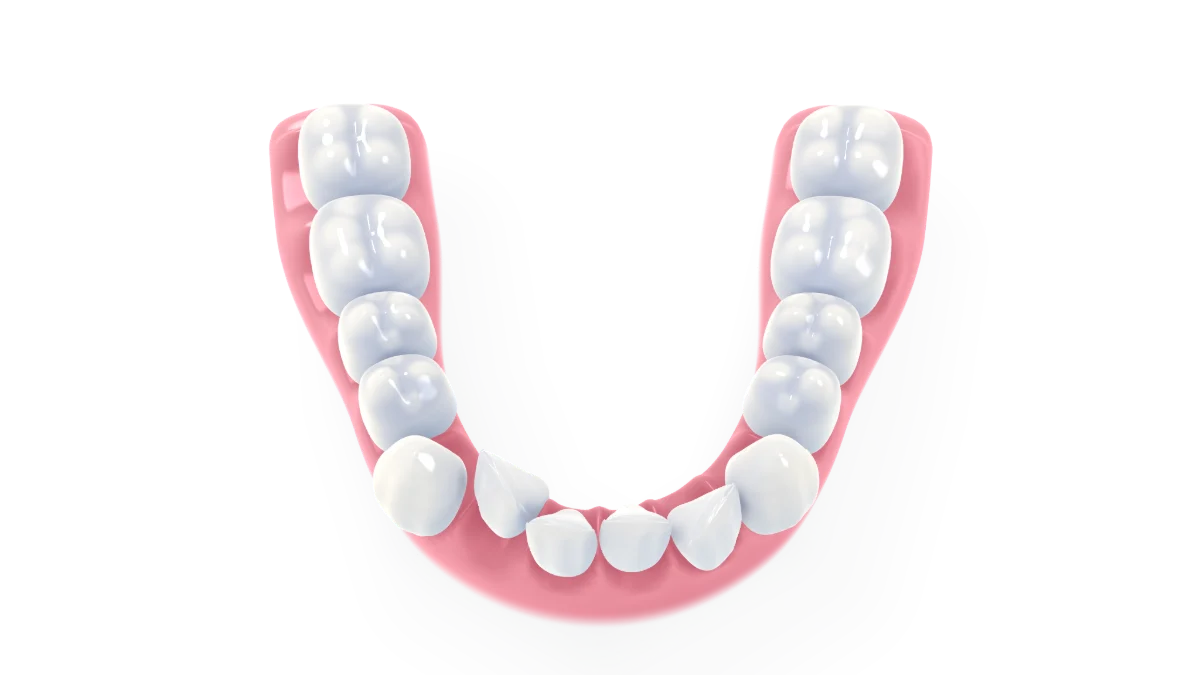
Aligners are excellent for many cases, but certain movements are simply harder to achieve with removable trays — larger shifts, rotating a tooth, and more complex bite corrections among them. Fixed braces stay on the teeth and work continuously, which gives the orthodontist more control over exactly how each tooth moves. Where that control is what your case needs, braces are the honest recommendation.
Reliable for complex movements and bite correction
Continuous, controlled tooth movement
Suitable across a wide range of ages
Nothing to remember to wear
Metal or clear ceramic
Braces have come a long way. Modern metal brackets are much smaller and neater than the ones you might remember, and they remain the most efficient option. If you would rather they did not show, tooth-coloured ceramic brackets blend in with your teeth and are far less noticeable from a normal talking distance. Dr Aleksandra will talk you through how visible each really is so you can choose with realistic expectations.
Small, neat modern metal brackets
Tooth-coloured ceramic for discretion
Honest guidance on visibility
Chosen to suit your case and preference
What fixed braces can put right
Braces are a precise tool for moving teeth, and they come into their own with the cases that are harder to treat any other way. These are the problems Dr Aleksandra most often corrects with fixed braces.
Crowding
Teeth that overlap or sit twisted for want of room. Braces create space and bring them into line, which also makes them far easier to keep clean.
Gaps and spacing
Spaces between the teeth, whether from small teeth or missing ones. Braces close or redistribute the space evenly across the arch.
Overbite and deep bite
Upper front teeth that sit too far over the lower ones. Braces can reduce the overlap and stop the lower teeth wearing or biting into the gum.
Underbite
Lower teeth closing in front of the upper teeth. Correcting it evens out the load the teeth and jaw carry.
Crossbite
Teeth meeting on the wrong side of each other, which wears the enamel unevenly. Braces give the control needed to correct it reliably.
Rotations and larger movements
Rotating a tooth or moving it a long way is exactly where fixed braces tend to outperform removable aligners.
Living with fixed braces
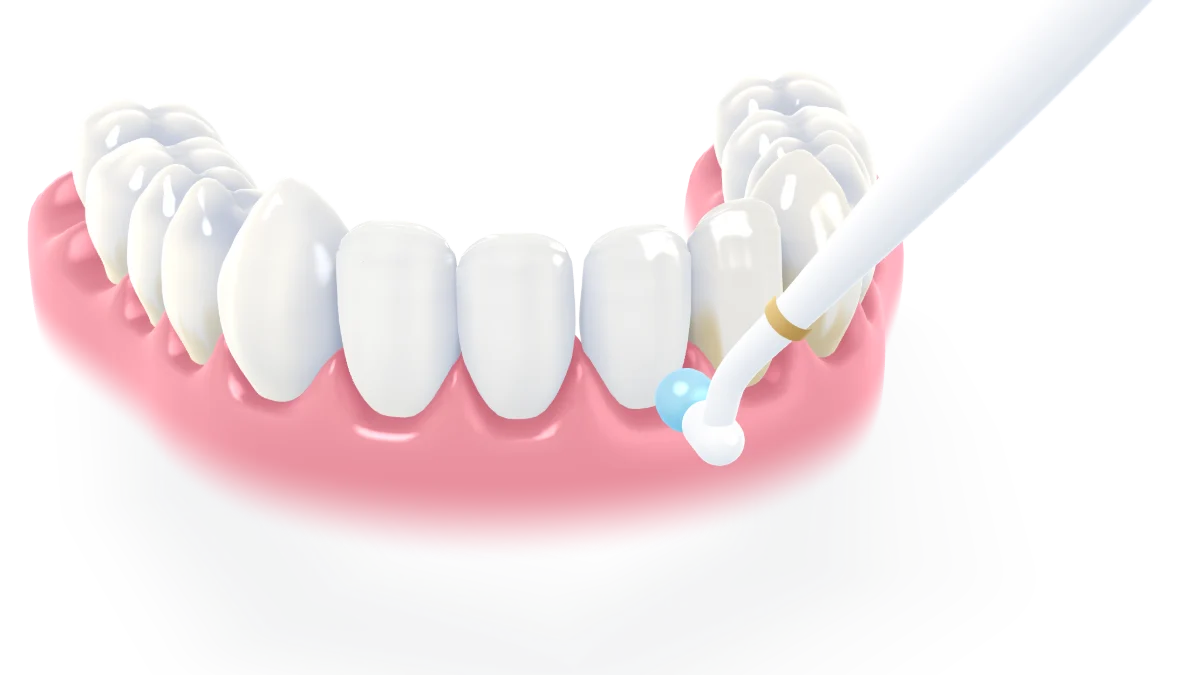
Braces take a little getting used to, but they fit into ordinary life quickly. For the first few days the brackets can rub, and the wax we give you smooths that over until your mouth settles. You can eat almost everything, as long as you go easy on hard and sticky foods and cut tougher things into smaller pieces rather than biting straight in. Cleaning matters more than usual, since plaque gathers around the brackets, so brushing after meals and using a small interdental brush under the wire keeps your teeth and gums healthy throughout.
Any early rubbing settles quickly, eased with wax
Eat normally, going easy on hard and sticky foods
Brush after meals and clean under the wire
Keep up your hygiene visits while the braces are on
Treatment Process
What to expect, step by step
Step 1: Consultation and records
Dr Aleksandra examines your teeth and how they bite together, takes a digital scan and any X-rays needed, and plans how each tooth will move. You leave knowing what is involved and what it will cost.
Step 2: Fitting the braces
A small bracket is bonded to each tooth and a wire is fitted through them. It is painless and takes about an hour, and you are shown how to keep everything clean before you go.
Step 3: Regular adjustments
Every few weeks you come in for a short visit so the wire can be adjusted, keeping the teeth moving steadily along the plan. There is nothing to remember to wear between visits.
Step 4: Removal and retainer
Once the teeth are where they should be, the braces come off in a single painless visit and a retainer is fitted to hold the new position for good.
Why straightening teeth is worth it beyond looks
A straighter smile is the reason most people come in, and it is a good one — but it is not the only thing braces achieve, and often not the most important. Teeth that overlap or sit crowded are far harder to clean, because the brush and floss cannot reach the surfaces that are tucked away, and those hidden spots are where decay and gum disease tend to start. Bringing the teeth into line opens them up so they can actually be kept clean, which protects them for the long term. A balanced bite matters too: when the upper and lower teeth meet evenly, the force of chewing is shared across them, rather than loading a few teeth that then wear, chip or loosen before their time. Some bite problems also strain the jaw or cause the gum to recede on a tooth that is taking more than its share. Seen that way, orthodontics is as much about the health and longevity of your teeth as about their appearance.
How long treatment takes
Most courses of fixed braces run somewhere between twelve and twenty-four months, and where a case falls in that range depends simply on how far the teeth have to move and how complex the bite is. You come in every few weeks for a short visit so the wire can be adjusted, which keeps the teeth moving steadily along the plan, and because the braces work between appointments there is nothing you need to do differently day to day. Dr Aleksandra gives you a realistic estimate once she has assessed your teeth and bite, rather than a number plucked out of the air, and she would always rather finish a case properly than rush it to a date.
Looking after braces, and avoiding setbacks
Living with braces is mostly a matter of two habits: keeping them clean, and being a little careful with what you eat. Plaque and food gather around the brackets, so brushing after meals and using a small interdental brush to reach under the wire and between the brackets keeps your teeth and gums healthy while the braces are on — and keeping up your hygiene visits helps. On food, you can eat almost everything, but hard things like boiled sweets, nuts and crusty bread, and sticky ones like toffee and chewing gum, bend wires and pull brackets off, so they are worth avoiding; cutting firmer foods such as apples and carrots into pieces rather than biting straight in saves a lot of repair visits. If a bracket does come loose or a wire starts to poke, it is rarely urgent — a dab of wax settles a poking wire, and a quick call lets us book you in to put it right. None of it is difficult once you are into the routine, and it is a small price for a result that lasts.
After your braces: retainers
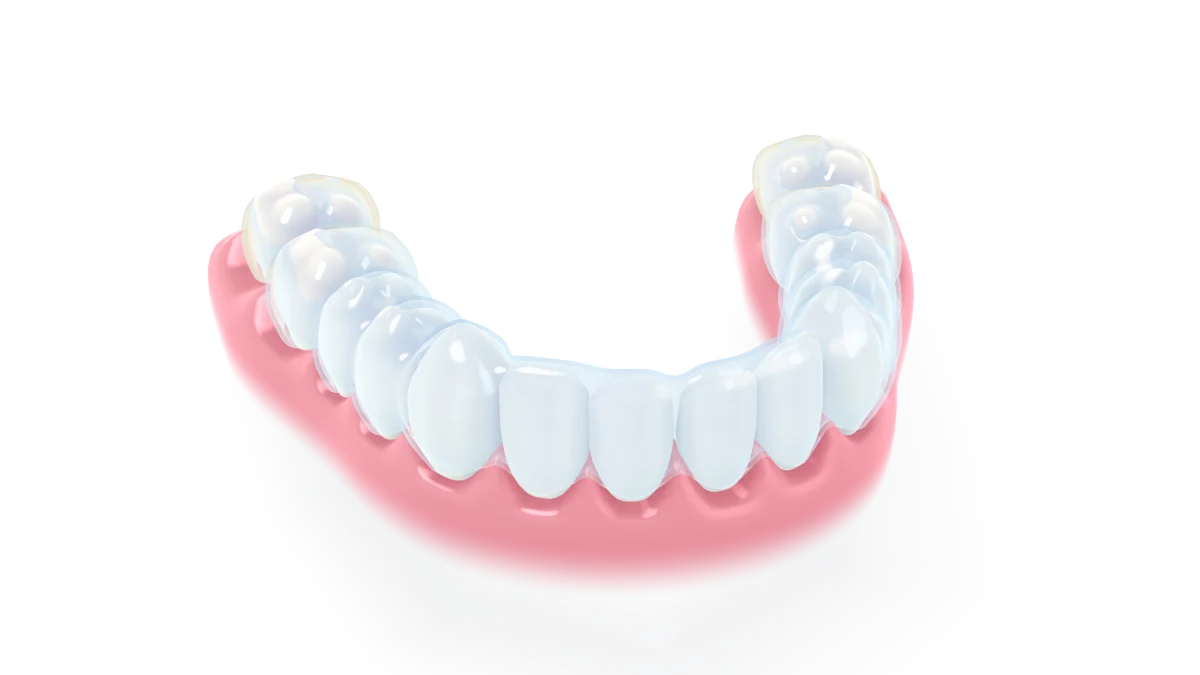
Taking the braces off is not quite the end of the story. Teeth have a memory and will slowly drift back towards where they began unless something holds them, so a retainer is fitted to lock in the result while the bone settles around the new positions. Dr Aleksandra will explain whether a removable retainer, a thin fixed wire bonded out of sight behind the teeth, or a combination suits you, and how long to wear it. Looking after your retainer is what keeps all those months of treatment worthwhile.
Holds the corrected teeth in place
Removable or fixed behind-the-teeth options
Guards against the slow drift back over the years
The simple step that protects your result
Transparent pricing — no surprises
The price depends on how complex your case is. Your orthodontist gives you the full figure at the consultation, before treatment starts.
View full price listFrequently asked questions
From our blog
Read more about straightening teeth
How Does Invisalign Work? What to Expect
How Invisalign clear aligners straighten teeth, what wearing them is like day to day, who they suit, and how treatment starts.
Are clear aligners suitable for adults, even over 40?
Most of the people we treat with aligners are adults. Who aligners suit, including over 40, what wearing them is like, how long it takes and how the systems compare.
Considering braces?
Book an orthodontic consultation with Dr Aleksandra Syrico Mallia. She will check your teeth and bite and explain whether fixed braces or clear aligners will get you the best result.