How Does Invisalign Work? What to Expect
How Invisalign clear aligners straighten teeth, what wearing them is like day to day, who they suit, and how treatment starts.
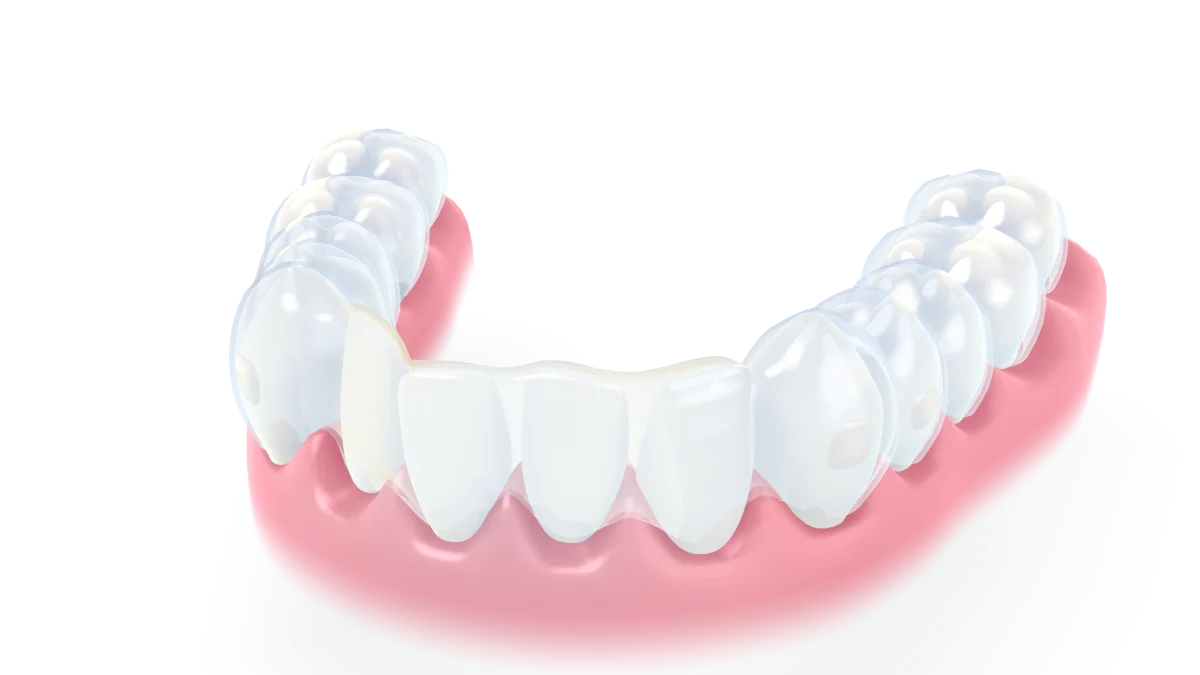
Invisalign is a brand of clear aligner: a series of thin, removable trays that straighten teeth without fixed metal braces. This guide explains how it actually works, step by step, and what wearing aligners is like - more adults and teenagers in Malta are asking about it.
The aligners are clear, removable trays made to fit closely over your teeth. You wear a series of them, each one moving your teeth gradually towards a planned position, before moving on to the next set in the sequence.
How Invisalign treatment works
Treatment usually starts with a consultation and some form of digital scan or impression of your teeth. This allows a dentist to plan how your teeth will move, stage by stage, from their current position to the end result.
From that plan, a series of custom aligners is made. Each set is worn for a set number of hours a day, typically around 20 to 22, and changed every week or two, depending on what your dentist advises.
Because the aligners are removable, you take them out to eat, drink anything other than water, and brush and floss as normal. This tends to make daily hygiene easier to manage compared with fixed braces.
Who tends to suit clear aligners
Clear aligners are often suitable for mild to moderate crowding, spacing, and some bite issues. More complex cases may need a different type of aligner system, fixed braces, or a combination of approaches.
Whether Invisalign is the right choice for you depends on your teeth, your bite, and what you want to achieve. This is something a dentist can only properly assess after an examination, not from a general description online.
What to expect day to day
Many people find the first day or two with a new aligner a bit odd, as teeth can feel slightly tender while they begin to move. This usually settles within a short time as you get used to each new tray.
You will likely be asked to attend periodic check-ups so your dentist can see how treatment is progressing and make sure the aligners are doing what was planned. Keeping to the wear schedule matters, since aligners only work if they are worn as advised.
Once the active treatment is finished, retainers are normally recommended to help keep teeth in their new position. Skipping this step can allow teeth to drift back over time.
Looking after your teeth during treatment
Good oral hygiene matters more, not less, during aligner treatment. Food particles and plaque can sit against teeth under an aligner, so thorough brushing and flossing before putting a tray back in is worth the extra few minutes.
Regular hygiene visits alongside your orthodontic check-ups can help keep your gums healthy while your teeth are moving, since healthy gums are an important part of a stable result.
Cost and getting started
The cost of Invisalign depends on the complexity of your case, how many aligners are needed, and how long treatment is expected to take. This is worked out and explained clearly at your consultation, once your teeth have been assessed.
If you ever experience pain, swelling, or discomfort that does not settle, it is best to see a dentist promptly rather than wait for your next scheduled check-up. Swelling spreading towards the eye or neck, or any difficulty breathing or swallowing, needs emergency hospital care straight away.
If you are in Malta and curious whether clear aligners could work for your teeth, the only reliable way to find out is a proper assessment with a dentist who can look at your bite and explain the options suited to your case.

Ready to visit Apex Dental?
Book an appointment online or contact us directly — our team will guide you through your options.