Ordoline: clear aligners built for the harder cases
Some cases are more than a simple aligner can handle. Ordoline is a clinician-led system that combines aligners with orthodontic auxiliaries, giving the kind of control normally associated with fixed braces — used at Apex Dental for more complex corrections.
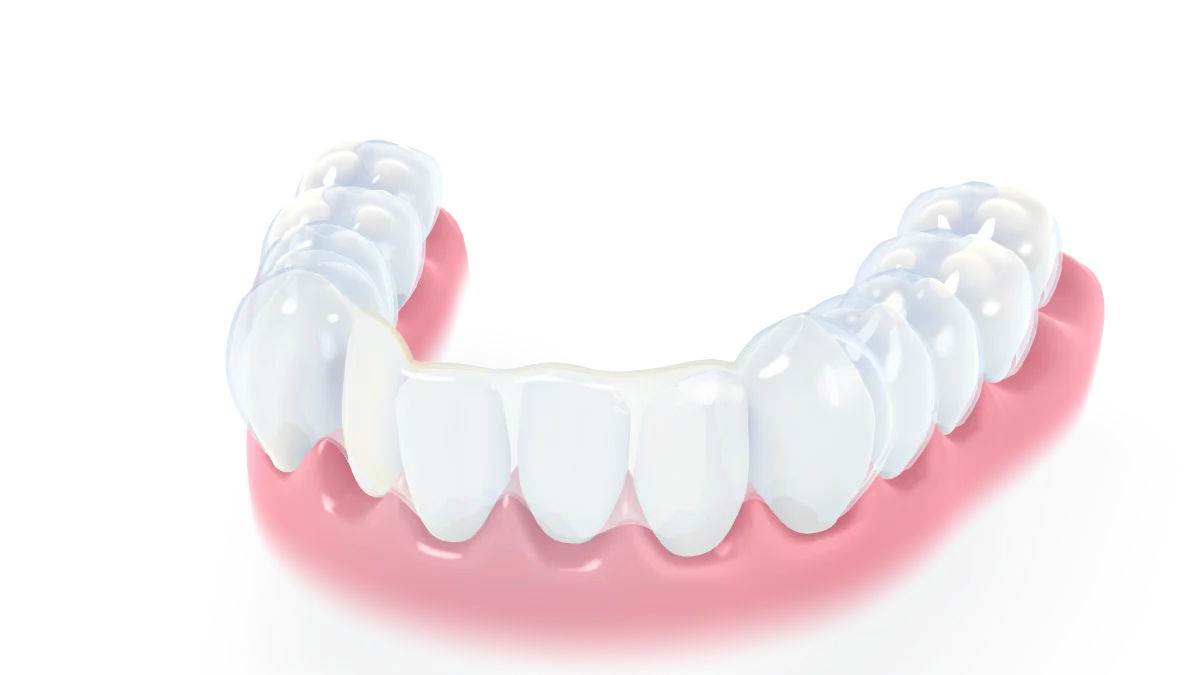
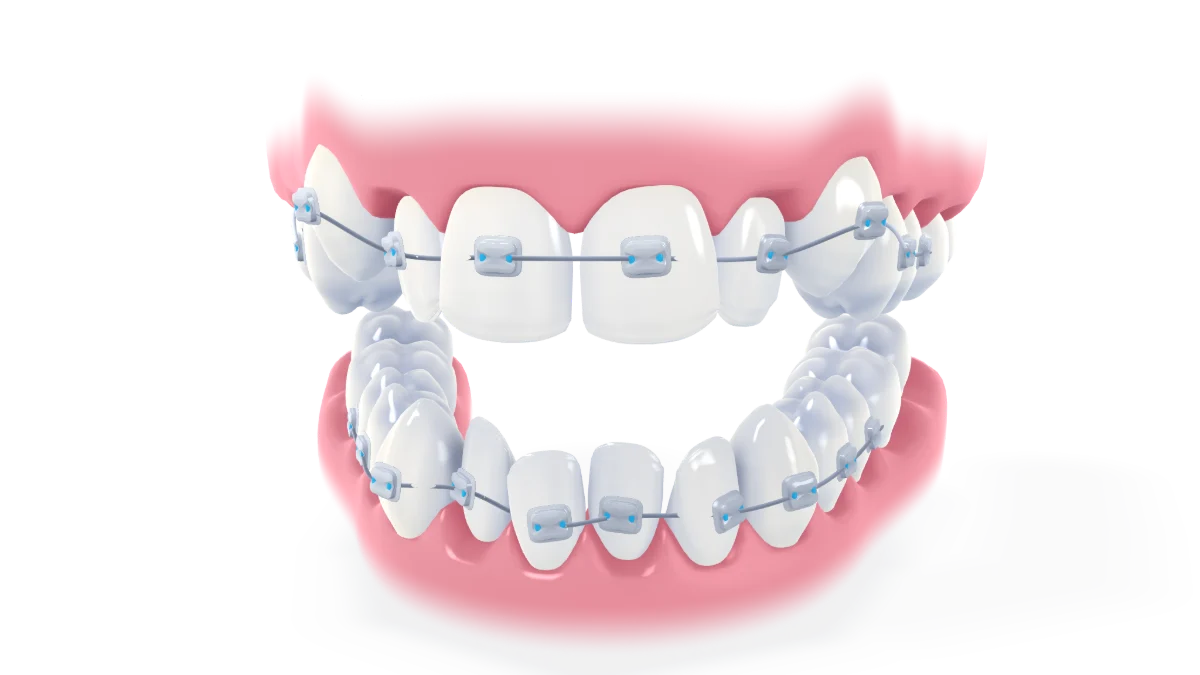
When aligners alone are not enough
Clear aligners are excellent for a lot of cases, but certain movements — rotations, larger shifts, more difficult bites — are hard to achieve with trays on their own. Ordoline is designed for exactly these situations, integrating tools such as mini-screws, power arms and segmental mechanics so more demanding cases can still be treated predictably.
Built for rotations, larger movements and tricky bites
Combines aligners with orthodontic auxiliaries
Control closer to fixed braces
Clinician-led planning throughout
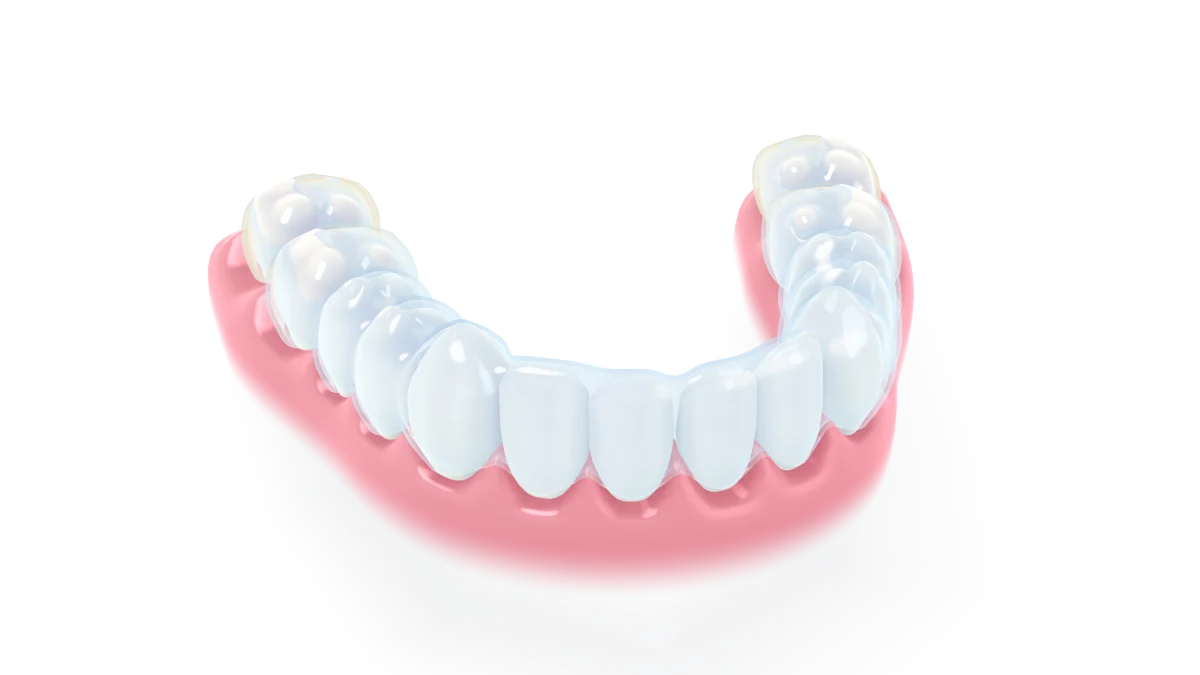
The right system for the right case
Not everyone needs a system like this. For simpler crowding or spacing, our in-house Orthix or another aligner may be all that is required. Where the case is more involved, Ordoline earns its place. Dr Aleksandra assesses your teeth and bite first and recommends on that basis, so you are matched to the system your case actually needs.
Honest assessment before recommending
Simpler options offered where they suit
Reserved for cases that genuinely benefit
Planned and followed by our orthodontist
What Ordoline is, and when it earns its place
Most clear aligner treatment works well because most cases are, in orthodontic terms, fairly straightforward — crowding, spacing, teeth that need tidying into line. Ordoline is for the cases that are not. It is a clinician-led clear aligner system built for more demanding orthodontic work, and what sets it apart is that it does not rely on the aligners by themselves. Certain tooth movements — larger rotations, moving a whole tooth bodily through the bone, difficult bites — are hard to achieve predictably with trays alone, because an aligner can only push against the tooth from the outside. Ordoline adds the extra mechanics that give control over exactly those movements.
The auxiliaries that make the difference
Those extra mechanics are called auxiliaries — small additions that work alongside the aligners. Mini-screws, also known as temporary anchorage devices, give the orthodontist a fixed point in the bone to move a tooth towards or away from, rather than relying on other teeth that would otherwise move in turn. Segmental mechanics apply controlled force to one part of the arch at a time. None of these are exotic; they are the same tools orthodontists have long used with fixed braces. Combining them with clear aligners is what lets Ordoline reach for movements that aligners on their own often cannot, while keeping the treatment as discreet as a clear aligner allows.
The right tool for the case
This is deliberately not a system for everyone. For simpler crowding or spacing, a straightforward aligner such as our in-house Orthix, or a system like Invisalign, may be all a case needs, and choosing something more complex than necessary helps no one. Where the bite or the movements genuinely call for more, Ordoline earns its place. Our orthodontist, Dr Aleksandra Syrico Mallia, assesses your teeth and bite first and recommends on that basis — you can read more about the full range of treatment on our orthodontics page.
Where Ordoline helps
Clear aligners alone handle a great deal, but some movements and bites ask for more control. These are the situations where combining aligners with auxiliaries makes the difference.
Larger rotations
Turning a rotated tooth back into line is one of the hardest movements for trays alone. The right auxiliary gives the grip to do it predictably.
Bodily tooth movement
Moving a whole tooth through the bone, rather than just tipping its crown, needs anchorage an aligner cannot provide on its own.
More difficult bites
Where the way the teeth meet needs correcting, not just their alignment, the added mechanics give the control to shift the bite.
Cases that might otherwise need fixed braces
Ordoline borrows the mechanics of fixed braces, so some cases that would once have meant visible appliances can be treated with clear aligners instead.
Discreet throughout
The aligners stay clear and removable, so even a more involved correction is carried out without a mouth full of metal.
Led by an orthodontist
Every stage is planned and adjusted by Dr Aleksandra Syrico Mallia rather than left to a prescribed sequence of trays.
Transparent pricing — no surprises
Orthodontic fees depend on how complex the case is. Dr Aleksandra Syrico Mallia gives you the full figure for your case at the consultation, with the timeframe.
View full price listFrequently asked questions
From our blog
Read more about clear aligners
How Does Invisalign Work? What to Expect
How Invisalign clear aligners straighten teeth, what wearing them is like day to day, who they suit, and how treatment starts.
Are clear aligners suitable for adults, even over 40?
Most of the people we treat with aligners are adults. Who aligners suit, including over 40, what wearing them is like, how long it takes and how the systems compare.
Have a more complex case?
Book a consultation with Dr Aleksandra Syrico Mallia. She will assess your teeth and bite and tell you whether Ordoline, another aligner, or fixed braces is the best route.