Children's dentistry in Malta: calm first visits, healthy baby teeth and growing smiles
We see children from their first teeth to their teenage years: unhurried check-ups, small fillings, sealants and fluoride to protect new teeth, and an orthodontist on the team for when the bite needs guiding.
The first visit: getting to know the dentist
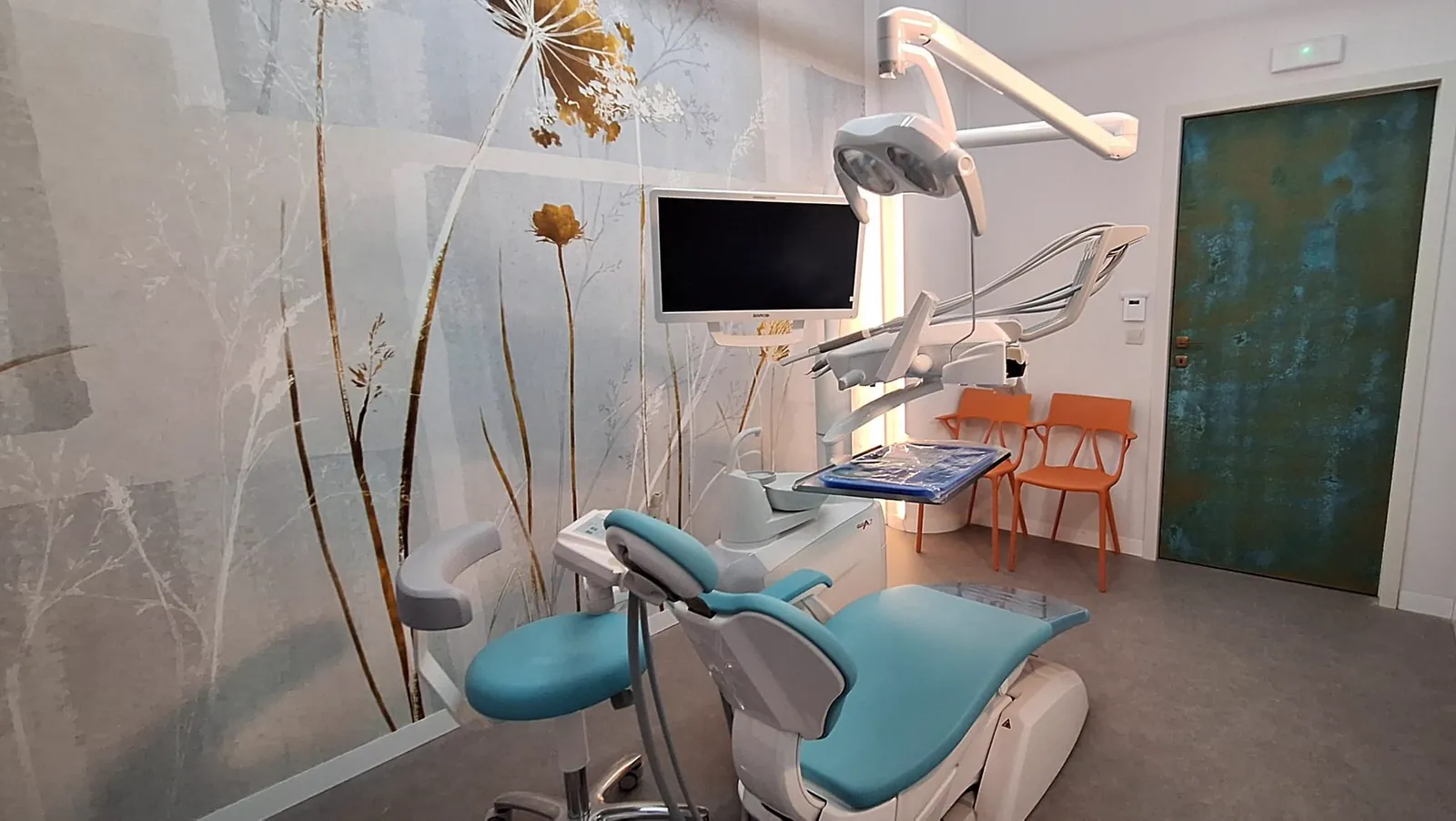
A good time for a first visit is around the first birthday, or within six months of the first tooth. It is less about treatment and more about getting used to the room, the chair and the people, so that the dentist is a familiar place long before anything ever needs doing. We check that the teeth and jaws are developing as they should and answer what parents ask most: teething, feeding, thumb-sucking and how to brush such small teeth.
Around the first birthday
Short, gentle and unhurried
Teething and brushing questions answered
Nothing forced on a nervous child
Teething and the very first teeth
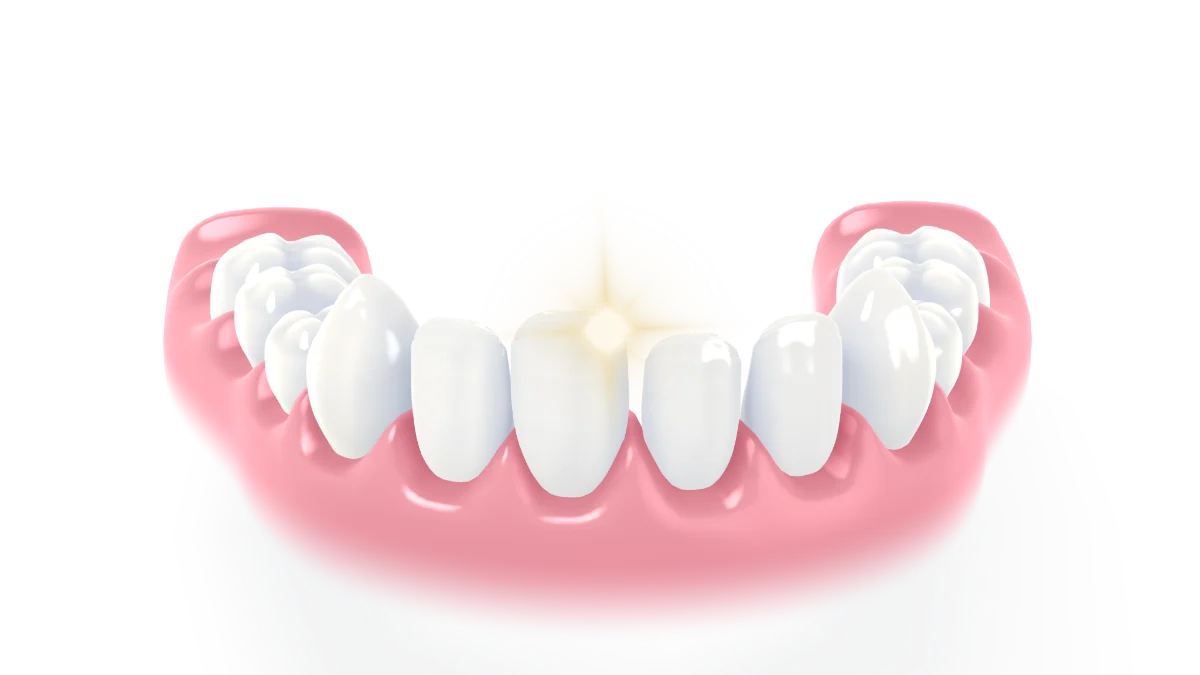
The first teeth usually push through from around six months, and teething can leave a baby fretful, dribbly and keen to chew on everything. It helps to give them something firm and cool to bite on, such as a chilled — not frozen — teething ring, and to wipe away dribble so it does not irritate the skin around the mouth. A little grizzling and flushed cheeks are normal; a high fever, diarrhoea or a genuinely unwell baby are not caused by teething and are worth checking with your doctor. As soon as that first tooth appears you can start cleaning it, once a day to begin with, using a smear of fluoride toothpaste on a soft brush — and that first tooth is a good moment to bring your baby along to meet us.
First teeth usually from around six months
Something firm and cool to chew on helps
Fever or being unwell is not down to teething
Start brushing as soon as the first tooth shows
Treatment Process
What to expect, step by step
Step 1: A chat first
We ask how your child is getting on: any pain, how brushing is going, sweets and drinks, and anything you have noticed.
Step 2: A look at teeth and gums
We check how the teeth are coming through and look for early decay. For little ones it is often just a quick look while they sit comfortably.
Step 3: Protection where it helps
If the back teeth have deep grooves we may suggest fissure sealing, and fluoride if the enamel needs extra help. We tell you first.
Step 4: Advice for home
You leave with simple advice on brushing, toothpaste and snacks, and when to bring your child back.
From the first tooth to the teenage years
Children's teeth change constantly. The first baby teeth usually arrive from around six months, a full set of twenty is normally in place by about three, and from roughly six years old the baby teeth start to give way to the adult ones — a mixed stage that lasts until around twelve, when most of the adult teeth are through. Each of these stages has its own things to watch: teething in the early years, protecting the first permanent molars as they arrive, and keeping an eye on how the adult teeth and the bite come together later on. Seeing the same practice through childhood means we know your child's history and can spot when something is changing.
First teeth from around six months
Baby teeth give way to adult teeth from about six
The first permanent molars worth protecting early
The bite watched as the adult teeth come through
Keeping children's teeth healthy
Most of children's dentistry is about stopping decay before it starts, and treating it while it is still small when it does. These are the treatments children have most often, with their prices.
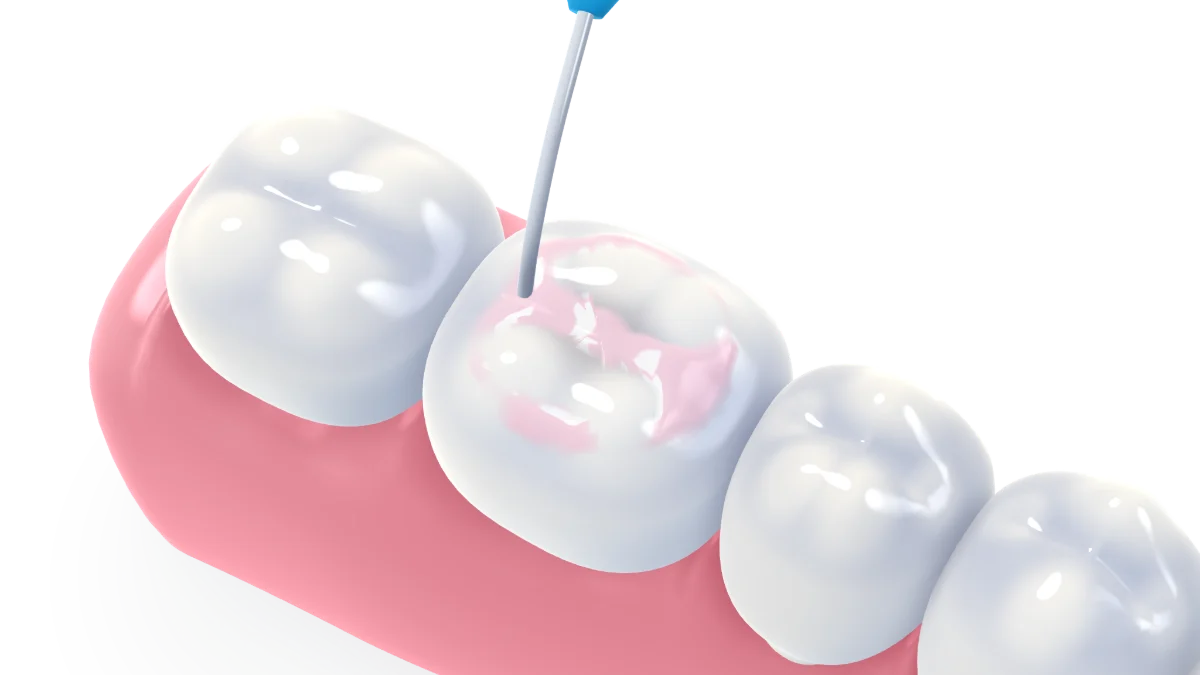
Fissure sealing
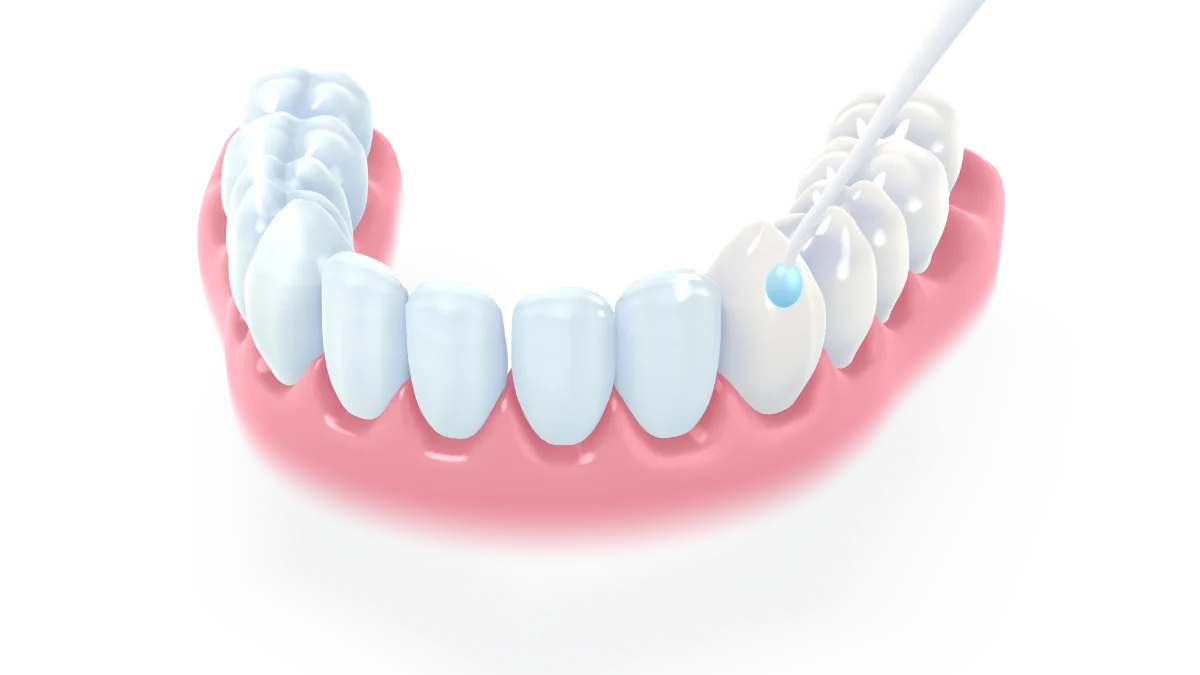
A thin protective coating painted into the grooves of the back teeth, where food and plaque gather and a toothbrush struggles to reach. No injection and no drilling. €30 per tooth.
Fluoride application
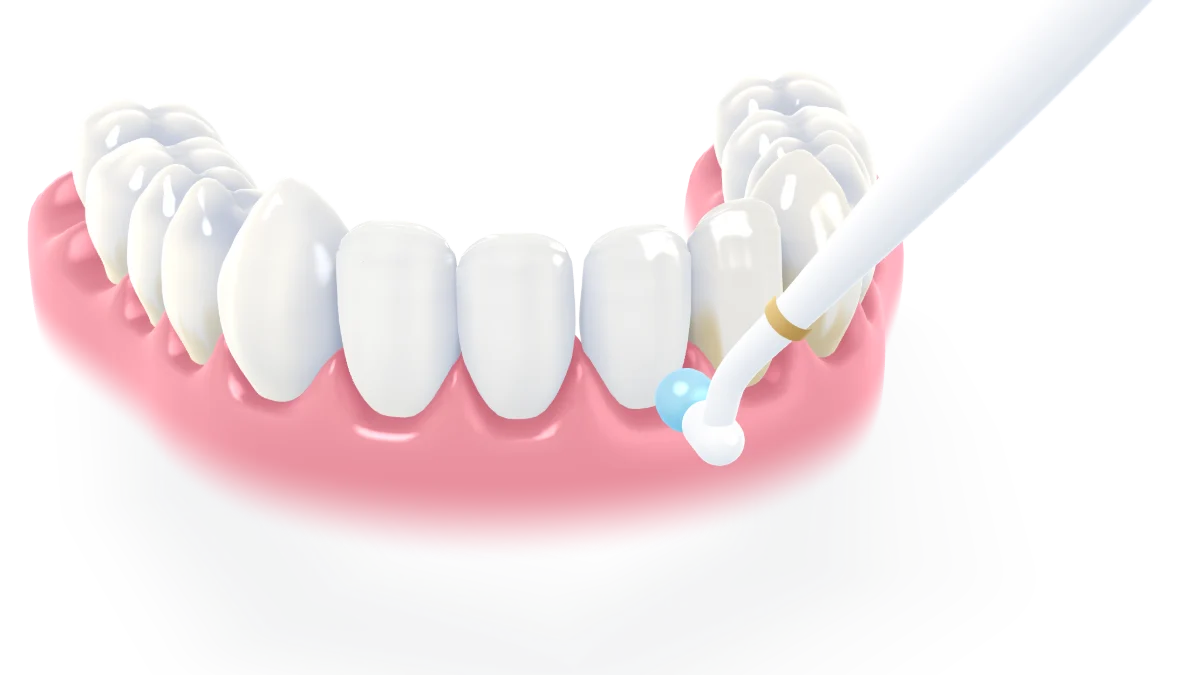
A fluoride varnish brushed onto the teeth to strengthen the enamel and help it resist decay, especially useful while new teeth are coming through. €40.
Fillings in baby teeth
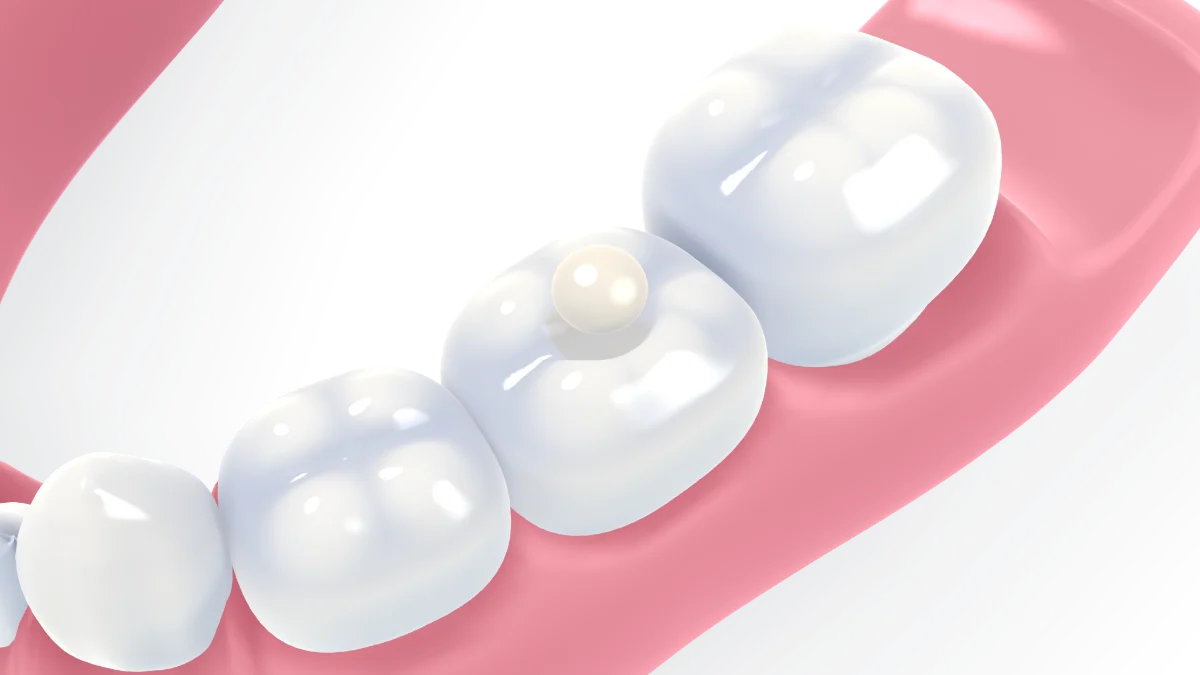
Small cavities in baby teeth are filled so they do not turn into pain or infection, and so the tooth can keep holding space for the adult one behind it. €40 a filling.
When a tooth has to come out
Sometimes a badly decayed tooth cannot be saved, or a baby tooth is in the way of the adult one. We explain why before anything is done. An extraction is from €60.
The everyday habits that protect children's teeth
Almost all childhood decay is preventable, and it comes down to a few simple things done consistently. Brushing twice a day with a fluoride toothpaste matters more than any treatment we provide; younger children need an adult to help until they can brush thoroughly on their own, usually around the age of seven. What a child eats matters, but how often is what really counts: it is the number of times a day that sugar reaches the teeth, from snacks and sipped drinks, that feeds decay, so keeping sweets and sugary drinks to mealtimes and offering water in between does far more good than banning treats altogether. Add regular check-ups to that, and most children grow up with very little dental work ever needed.
Brush twice a day with a fluoride toothpaste
Help younger children brush until about age seven
How often sugar is eaten matters more than how much
Water between meals, sweets kept to mealtimes
Braces and orthodontics for children and teenagers
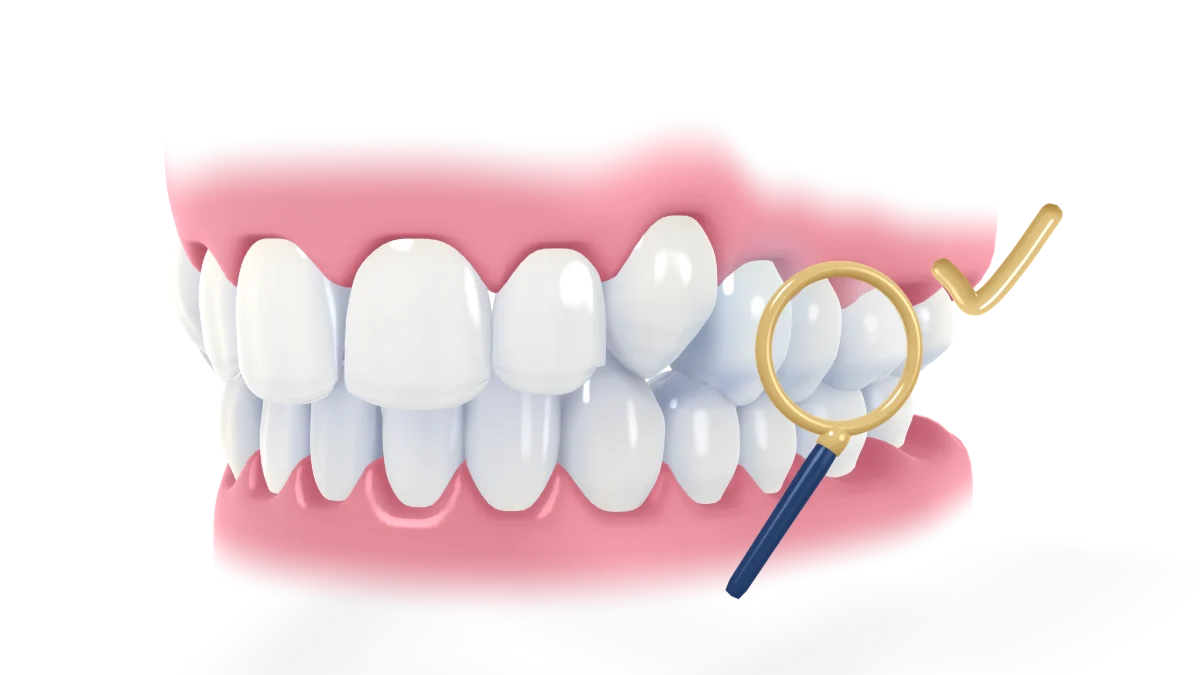
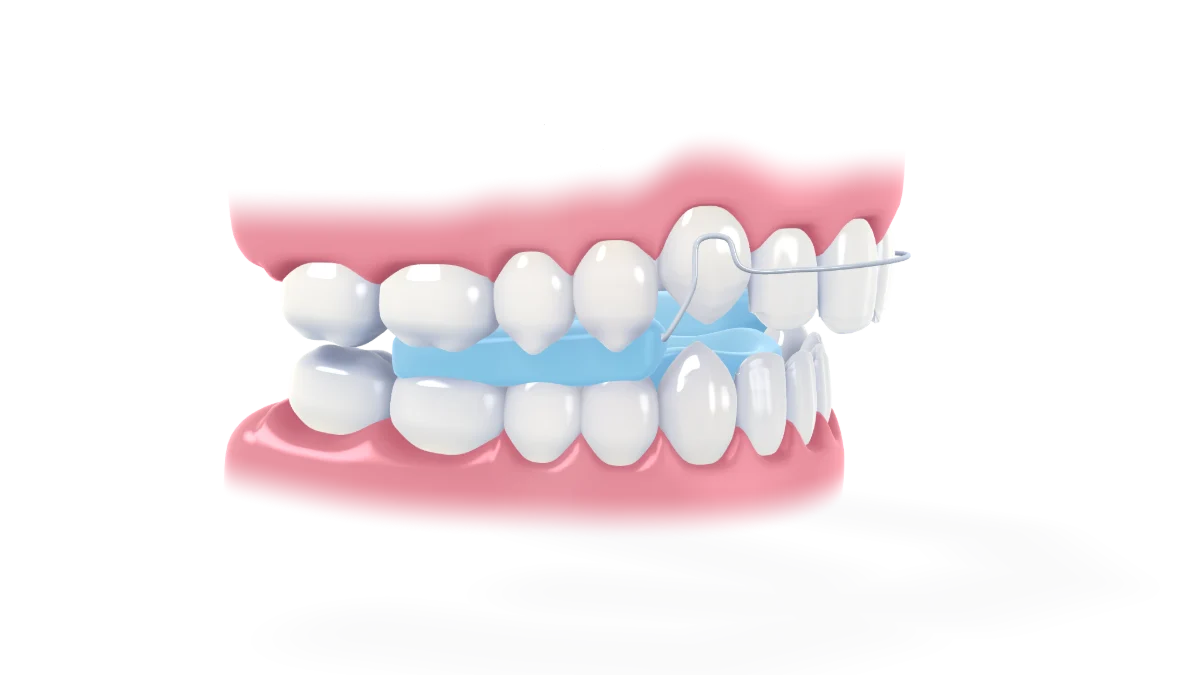
Dr Aleksandra Syrico Mallia, our orthodontist, treats children, teenagers and adults, and plans each case around how the teeth bite together, not just how they look from the front. While a child is still growing, a removable appliance such as a Bionator (€600) can guide how the jaws develop; later, once the adult teeth are through, fixed braces or clear aligners straighten the teeth. Teenagers often prefer clear aligners because they are removable and discreet, and we talk through honestly what each option involves. There is no single right age to start: at every check-up we keep an eye on how the bite is developing and tell you early if an orthodontic opinion is worth having, without rushing into anything.
An orthodontist on the team
Bionator for growing jaws: €600
Fixed braces and clear aligners
The bite checked at every check-up
If your child is in pain
Toothache, a knocked tooth and other emergencies
Children knock their teeth, and toothache has a habit of arriving at the weekend. If a baby tooth is knocked out, do not try to put it back; if an adult tooth is knocked out, hold it by the crown rather than the root, and if you can, gently place it back in its socket or keep it in a little milk and come to us straight away — the first hour matters most. For toothache, swelling or a cracked tooth, call or WhatsApp us: both clinics open on Saturday mornings, and on Sunday we hold an emergency clinic at Trident Park from 9am to 12:30pm.
Some signs need a hospital rather than a dentist. If swelling is spreading towards the eye or neck, or your child has a high fever, difficulty swallowing or difficulty breathing, go to the emergency department at Mater Dei Hospital straight away.

Helping nervous children feel at ease
It is completely normal for children to be nervous, especially at their first few visits. We explain what we are doing in simple words, let children see and touch the instruments first if that helps, and never force a treatment on a child who is distressed. Parents help most by talking about the dentist calmly, never using a visit as a threat, and keeping their own worries to themselves.
Simple words, no surprises
See and touch the instruments first
Never forced when distressed
Short visits for little ones
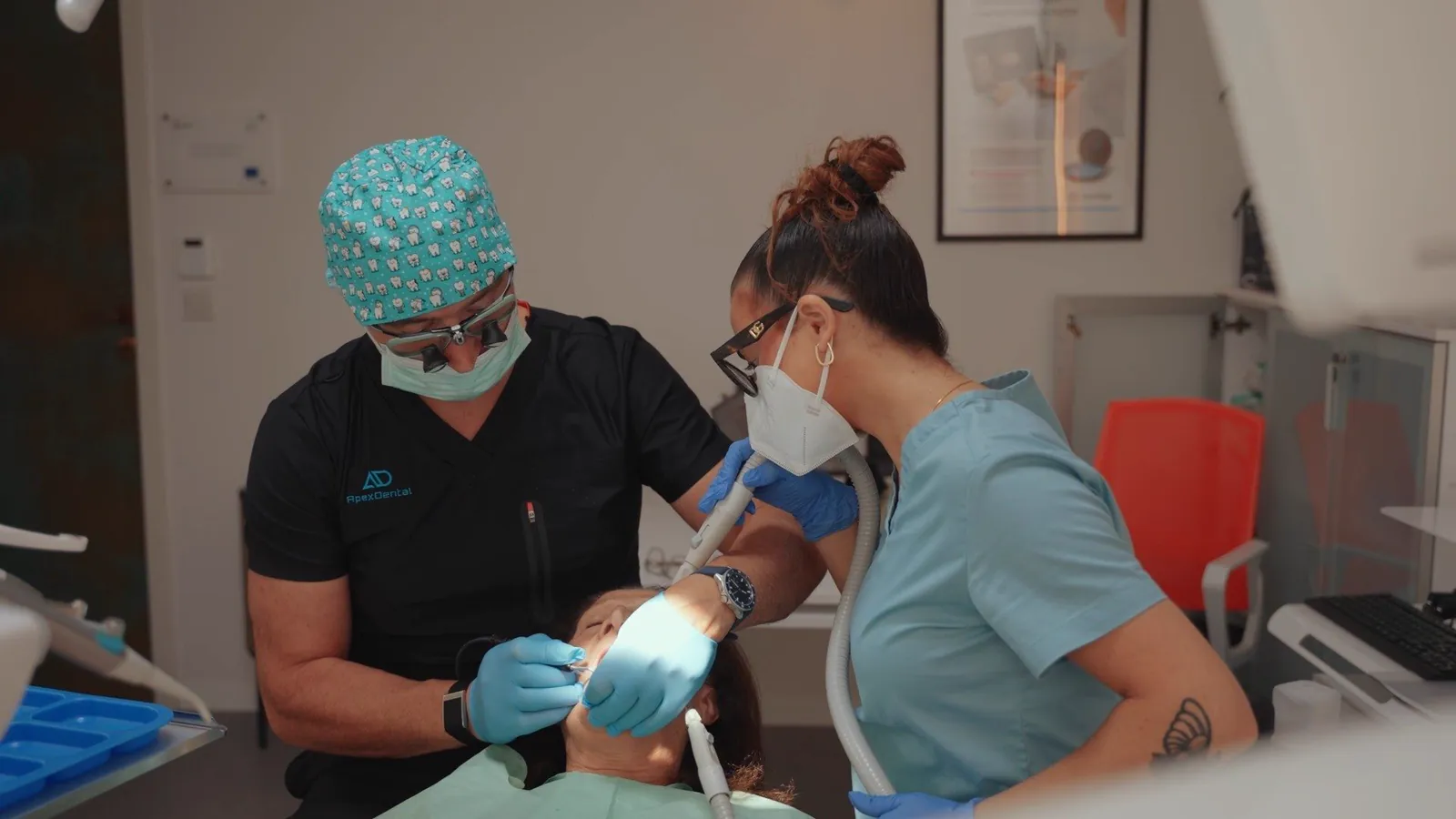
Looking after your child's teeth between visits
Brushing
Brush twice a day with a fluoride toothpaste suited to your child's age, and help younger children until they can do it properly on their own.
Snacks and drinks
Decay is fed by how often sugar reaches the teeth. Keep sweets and sugary drinks to mealtimes where you can, and offer water in between.
Regular check-ups
Routine visits catch decay while it is small and let children get used to the dentist at times when nothing hurts.
Toothache or a knock to the mouth
Toothache, swelling or a knocked tooth should be seen promptly. Call or WhatsApp us; on Sundays we hold an emergency clinic at Trident Park from 9am to 12:30pm.
Braces and the bite
Crowded teeth, a deep bite or teeth that do not meet properly are worth an orthodontic opinion while a child is still growing.
Cleaning
Older children and teenagers, especially those with braces, benefit from a professional clean as part of their check-ups.
Transparent pricing — no surprises
The everyday fees for children. A check-up costs the same as for adults; anything beyond it is explained and priced before it is done.
View full price listFrequently asked questions
Related treatments
Other care that often goes with this
Book your child's check-up
Book a check-up at Trident Park or St Anne's Clinic in Birkirkara. Tell us if your child is nervous, and we will plan a gentle first visit.