
Bone Grafts for Dental Implants: What Patients in Malta Should Know
A plain-English guide to why a bone graft is sometimes needed before dental implants, what the procedure involves, and what to expect during healing.
If you've been told you might need a bone graft before a dental implant, it's natural to have questions. This article explains what a bone graft is, why it's sometimes recommended, and what the process generally involves.
Why bone matters for implants
A dental implant is a small titanium post that sits in the jawbone, acting as a replacement tooth root. For an implant to stay stable over time, there needs to be enough bone around it, both in height and width.
When a tooth has been missing for a while, the bone in that area can gradually shrink. This is a normal process, but it means some patients don't have quite enough bone left to support an implant straight away.
What a bone graft involves
A bone graft adds material to the area where bone has been lost, giving it time to regenerate and build up a solid base. The grafting material can come from different sources, including the patient's own bone, processed donor bone, or synthetic materials designed to encourage new bone growth.
The right approach depends on how much bone is needed and where. Sometimes a small amount of grafting is done at the same time as the implant is placed. In other cases, the graft needs to heal on its own first, with the implant placed some months later.
Common reasons for needing a graft
Bone loss can happen for several reasons. A tooth may have been missing for a long time without replacement. Gum disease can also affect the bone supporting the teeth. Occasionally, an injury or a tooth extraction can lead to changes in the bone shape.
None of these situations are unusual, and a bone graft is a well-established way of preparing the jaw for an implant when extra support is needed.
What to expect during healing
After a bone graft, it's normal to have some mild swelling and tenderness for a few days. Most patients manage this comfortably and return to their usual routine quite quickly.
Healing time varies depending on the size of the graft and the individual, but it generally takes a number of months for the new bone to become strong enough to support an implant. Your dentist will let you know what timeline applies to your situation and will check healing progress before moving to the next stage.
When to seek help
Some discomfort and swelling after any dental procedure is expected. However, if you experience increasing pain, fever, or swelling that doesn't start to settle, contact your dentist promptly.
If swelling spreads towards the eye or neck, or you have difficulty breathing or swallowing, this needs urgent attention at a hospital emergency department.
Is a bone graft always needed?
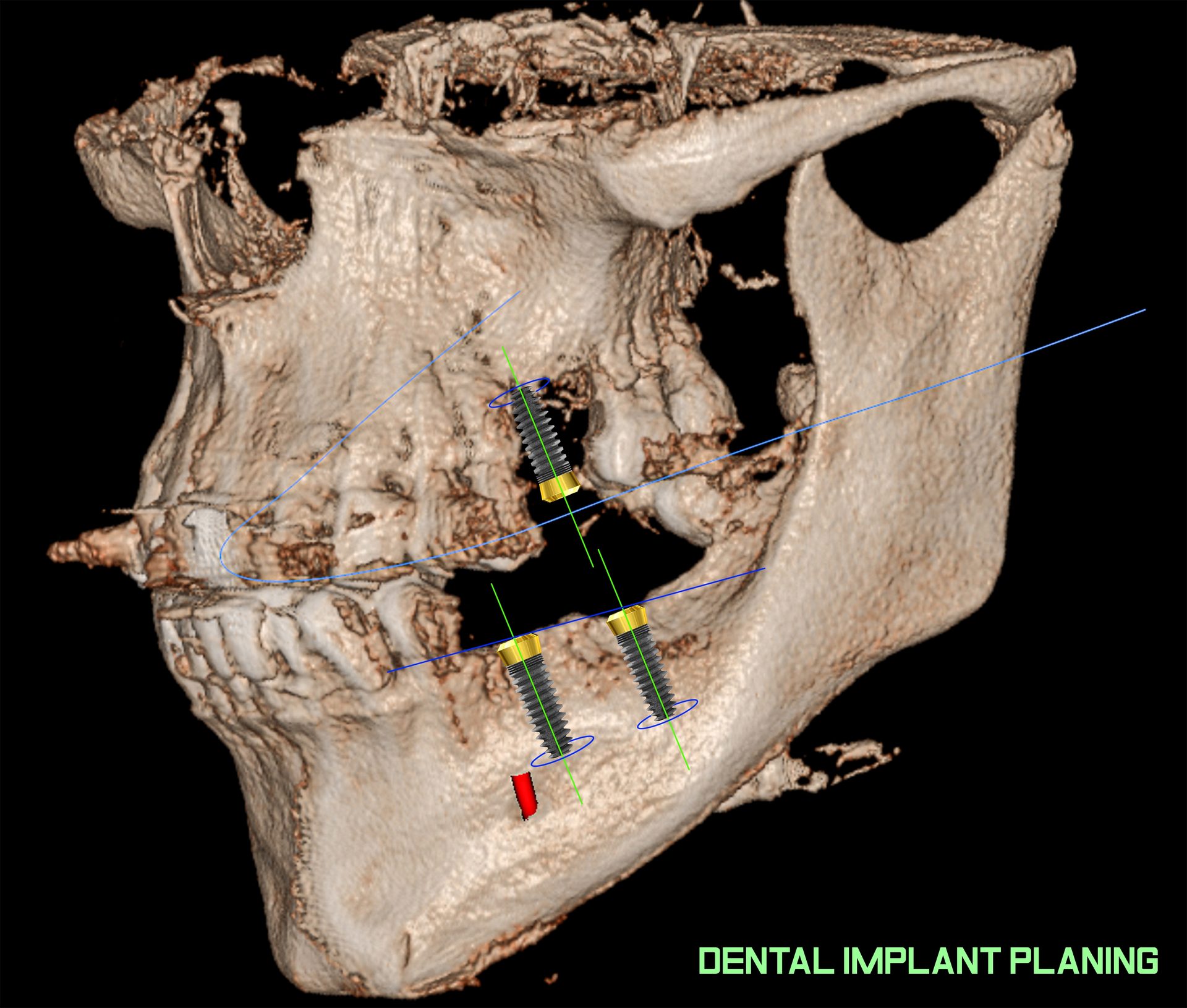
Not every implant patient needs a bone graft. It depends entirely on the amount and quality of bone already present, which is assessed through an examination and imaging such as a scan.
The cost of a bone graft, like any dental treatment, depends on the individual case. This is something your dentist will go through with you clearly during a consultation, along with the overall treatment plan.
Many patients in Malta considering dental implants find it helpful to have this assessment early, so there are no surprises later in the process.
Ready to visit Apex Dental?
Book an appointment online or contact us directly — our team will guide you through your options.