Dental Implants in Malta: A Clear, Calm Guide
Thinking about dental implants in Malta? Here is a straightforward look at what they are, who they suit, and what to expect before deciding.
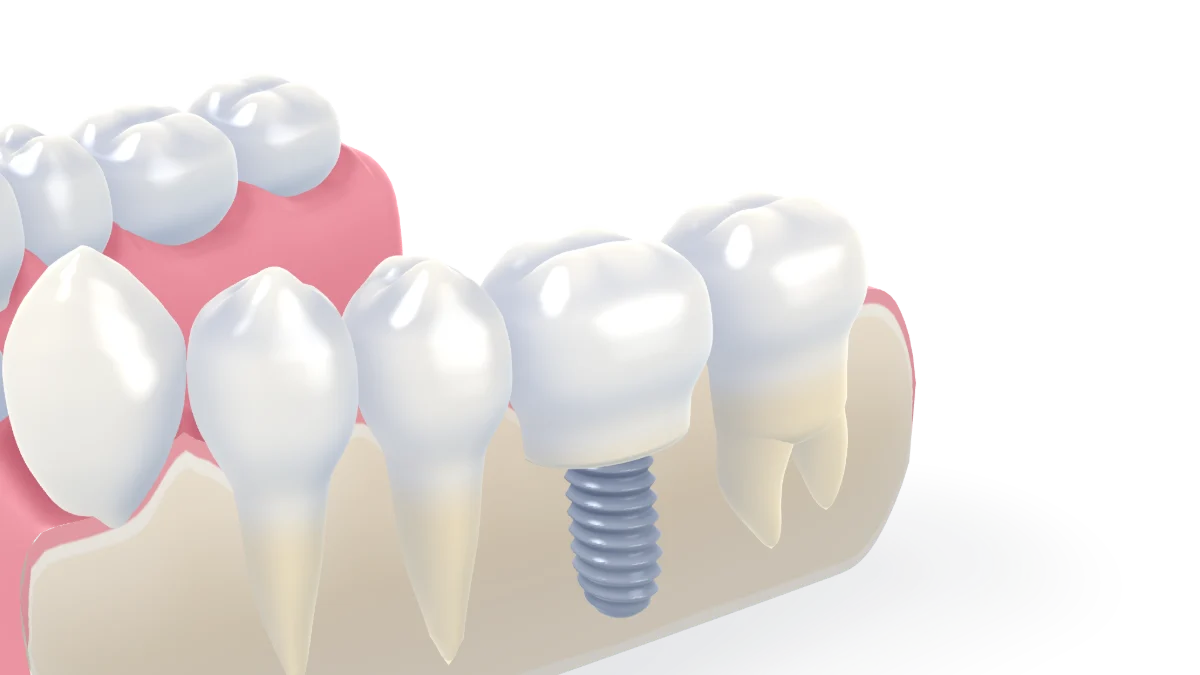
If you are missing one or more teeth, you may have come across dental implants while looking into your options. They are a well-established way to replace a tooth root, and many people in Malta consider them alongside bridges or dentures.
This article explains what implants are, how they work, and what tends to matter when deciding if they are right for you. It is general information, not a diagnosis, and every mouth is different.
What a dental implant actually is
A dental implant is a small titanium post that is placed into the jawbone, where it takes the place of a missing tooth root. Once it has settled and bonded with the bone, a crown, bridge, or denture can be fitted on top.
Titanium is used because it is biocompatible, meaning the body generally accepts it well and bone can grow around it over time. This process is called osseointegration.
Why people choose implants
Unlike a bridge, an implant does not rely on neighbouring teeth for support, so those teeth are left untouched. Unlike a removable denture, it is fixed in place, which some patients find more comfortable for eating and speaking.
That said, implants are not automatically the right choice for everyone. A bridge or denture may suit certain situations better, depending on the number of missing teeth, the condition of the surrounding teeth, and your general health.
Who tends to be suitable
Good candidates usually have healthy gums, enough bone to support the implant, and no uncontrolled conditions that would affect healing, such as unmanaged diabetes. Smoking can affect healing too, and this is something worth discussing openly with your dentist.
If there is not quite enough bone, this does not automatically rule out implants. A bone graft can sometimes build up the area beforehand, though this adds time to the overall process.
What the process generally involves
Treatment usually starts with an examination, X-rays or a scan, and a conversation about your medical history and expectations. This helps establish whether implants are a realistic option for your situation.
If you go ahead, the implant is placed under local anaesthetic. It then needs time to integrate with the bone before the final crown, bridge, or denture is attached. This healing period varies from person to person, which is why timelines are discussed case by case rather than promised in advance.
Looking after implants afterwards
Implants do not decay the way natural teeth can, but the gum and bone around them still need care. Regular brushing, cleaning between teeth, and routine hygiene visits all help keep the area healthy over the years.
Skipping maintenance can allow gum inflammation to develop around an implant, so it is worth treating it with the same attention as the rest of your mouth, if not more.
A note on cost
The cost of dental implants depends on factors such as how many teeth are being replaced, whether a bone graft is needed, and the type of restoration used on top. Because of this, costs are explained clearly at the consultation once your case has been assessed, rather than quoted generally.
If something feels wrong
If you ever experience pain, swelling, or fever around a tooth or implant site, it is best to see a dentist promptly rather than wait. If swelling spreads towards the eye or neck, or you have difficulty breathing or swallowing, go to the nearest hospital emergency department straight away.
For anyone in Malta weighing up implants against other options, the most useful next step is usually an honest conversation with a dentist about your specific mouth, rather than general reading alone.
Ready to visit Apex Dental?
Book an appointment online or contact us directly — our team will guide you through your options.