Can I get dental implants if I have bone loss?
Many patients are told they do not have enough bone for implants. The reality is more nuanced — and options exist even in challenging cases.
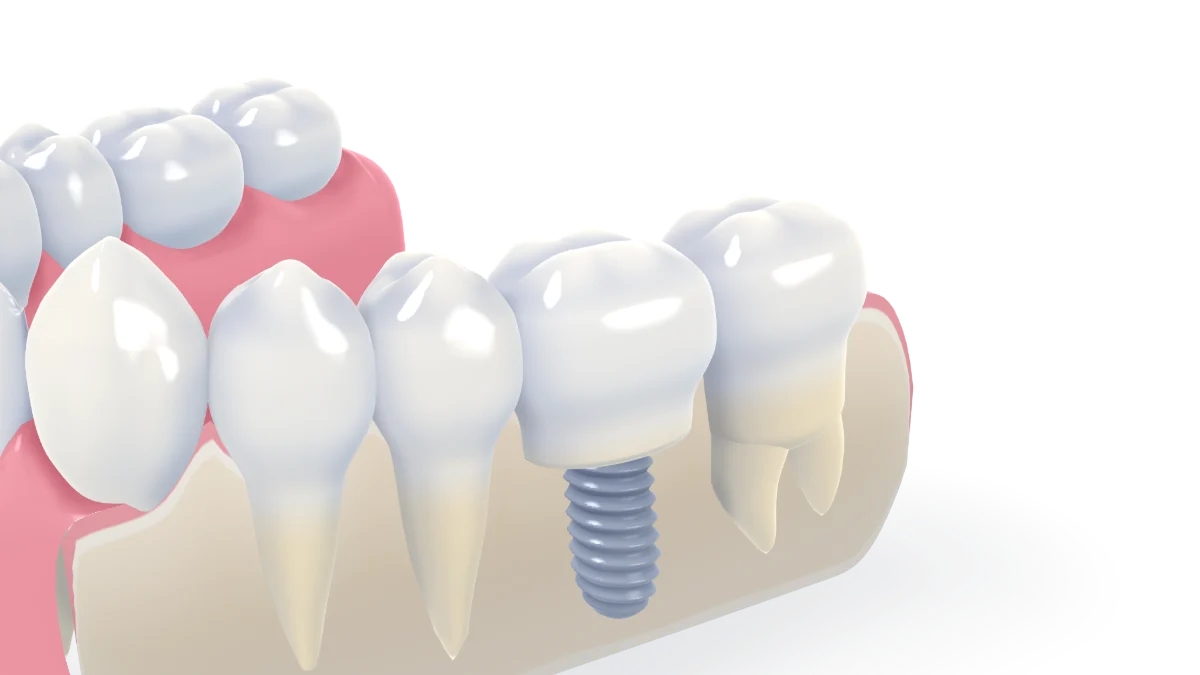
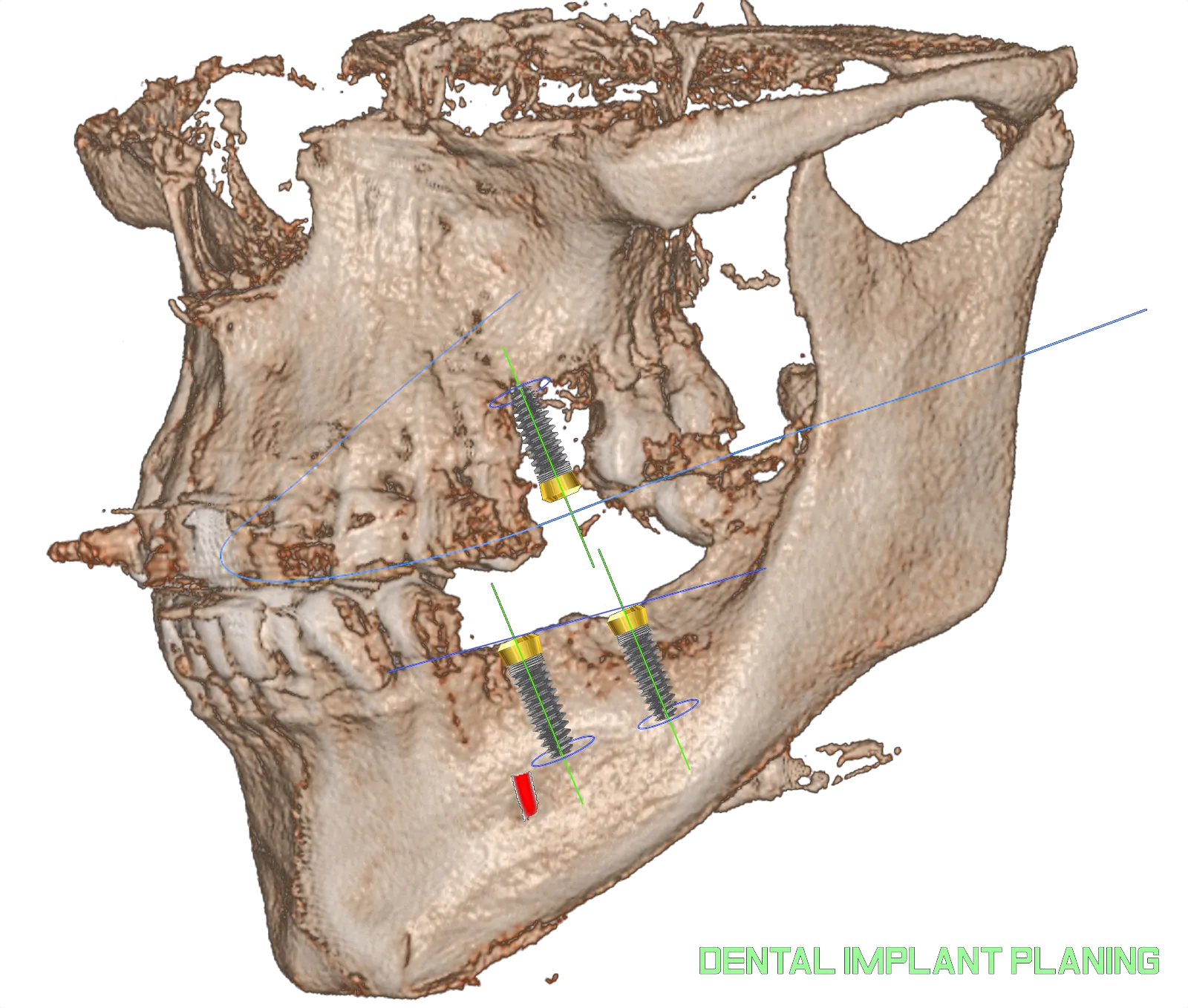
Bone loss in the jaw is a common concern among patients considering dental implants — particularly those who have been missing teeth for some time. When a tooth root is absent, the bone beneath it gradually resorbs. The longer a tooth has been missing, the more bone may have been lost. This leads some patients to believe implants are no longer an option for them. In many cases, this is not true.
Why does bone volume matter for implants?
A dental implant is a titanium post placed into the jawbone. For it to integrate successfully, there needs to be sufficient bone around it — in terms of both height and width. If bone volume is too low, the implant may not achieve the stability needed for long-term success. However, the threshold for what is considered sufficient has improved with advances in implant design and surgical technique.
What is bone grafting?
Bone grafting involves adding bone material to a deficient area to regenerate volume before or during implant placement. The graft material may come from the patient, from a donor, or from synthetic sources. Over several months, the graft integrates with the existing bone, creating a stronger foundation for the implant. It adds time and some cost to the overall treatment but makes implants possible for patients who would otherwise not be candidates.
Zygomatic implants and All-on-4 for severe bone loss
For patients with significant bone loss in the upper jaw, zygomatic implants — which anchor into the cheekbone rather than the jaw — can be an option. In many cases of bone loss, the angled placement used in the All-on-4 technique allows implants to be placed in areas of denser existing bone, avoiding the need for large-scale grafting entirely.
The only way to know is a 3D scan
Every bone loss situation is different. A 3D CBCT scan provides a precise picture of bone volume, density, and anatomy. At Apex Dental, this scan is included at no extra cost when you proceed with implant treatment. Only after this assessment can a clinician tell you definitively what your options are.

Ready to visit Apex Dental?
Book an appointment online or contact us directly — our team will guide you through your options.