What is osseointegration — and why it is the key to implant success
The reason dental implants feel like natural teeth comes down to a biological process called osseointegration. Here is what it means for your treatment.
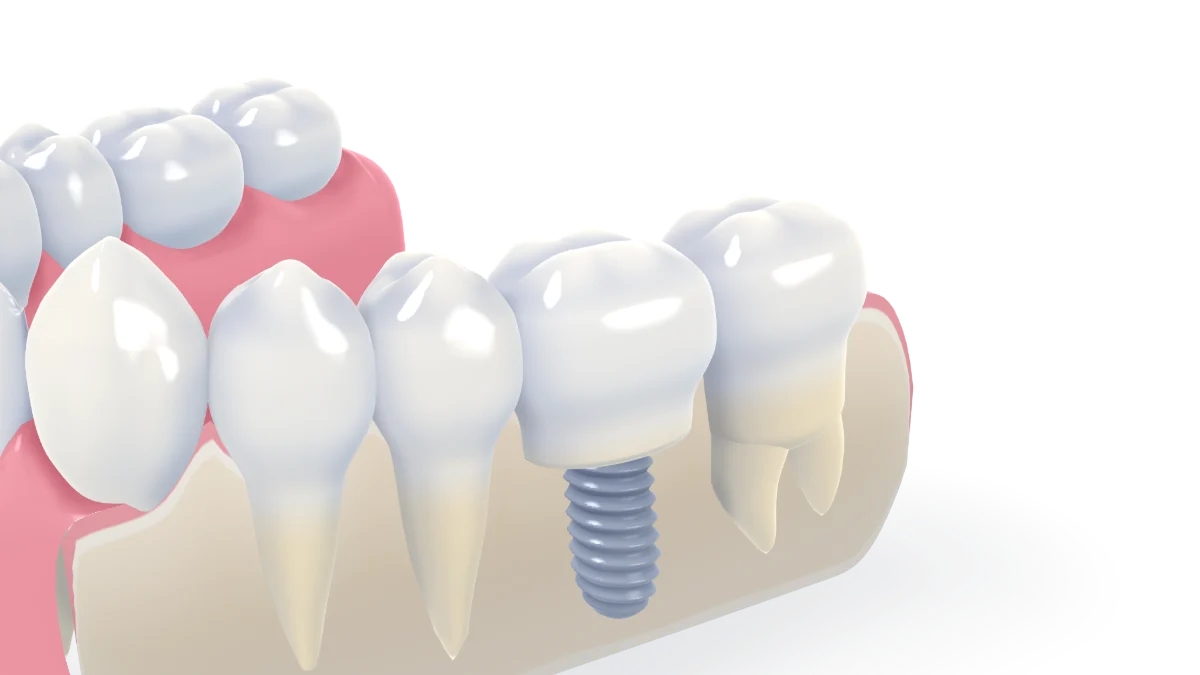
One word comes up repeatedly in discussions about dental implants: osseointegration. It is the biological process that makes implants work — and understanding it helps explain why implants behave so differently from any other tooth replacement option.
What does osseointegration mean?
Osseointegration describes the direct structural and functional connection between living bone and the surface of a titanium implant. Over a period of several weeks to months after placement, the bone cells grow into and around the textured surface of the implant, anchoring it firmly in the jaw. This is not simply the bone healing around a foreign object — it is a genuine integration at a cellular level.
Why does it matter?
Osseointegration is what gives implants their stability and longevity. A fully integrated implant is held in the jaw as securely as a natural tooth root — it does not rely on adhesive, adjacent teeth, or mechanical retention. It also allows the implant to transmit biting forces directly to the bone, which stimulates the jaw and prevents the bone loss that follows tooth extraction.
How long does it take?
The osseointegration period usually takes three to six months, though this varies depending on bone density, the location in the jaw, and the patient's overall health. During this time, a temporary crown or provisional restoration is usually placed. The final crown is fitted only after integration is confirmed.
What can disrupt osseointegration?
Several factors can impair the process: smoking significantly reduces blood supply to the healing tissue, uncontrolled diabetes affects bone healing, and certain medications can influence bone metabolism. Following post-operative instructions, avoiding smoking, and attending follow-up appointments all support a successful outcome.

Ready to visit Apex Dental?
Book an appointment online or contact us directly — our team will guide you through your options.