Veneers or teeth whitening: what is the difference, and which is better?
Whitening lightens natural teeth; veneers change colour and shape. How the two compare on the tooth itself, visits, upkeep and cost, and which suits you.
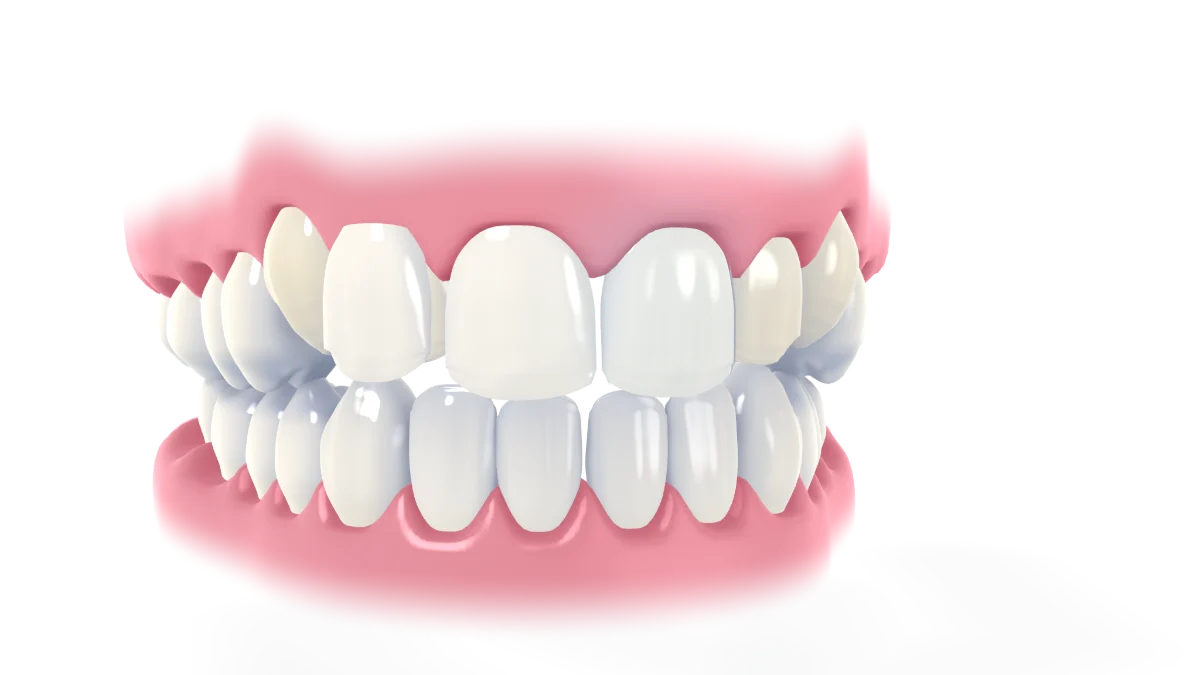
Teeth whitening and dental veneers are both popular cosmetic treatments, but they work in completely different ways and achieve very different results. Choosing the right one depends on what you are trying to improve.
What whitening can and cannot do
Professional teeth whitening uses bleaching agents to lighten the natural colour of your teeth. It is effective for removing staining caused by coffee, tea, wine, and ageing. However, whitening only affects the shade of your enamel. It cannot change the shape, size, or alignment of your teeth, and it has no effect on crowns, veneers, or composite fillings — these will remain their original colour while your natural teeth whiten around them.
What veneers can do that whitening cannot
Porcelain veneers are thin ceramic shells bonded to the front of your teeth. They can change the colour of teeth that are too dark or stained to whiten effectively. But they can also change the shape of teeth that are chipped, worn, or irregularly sized. They can close small gaps, make short teeth appear longer, and create a more symmetrical smile. Veneers offer a degree of smile transformation that whitening simply cannot achieve.
Veneers and whitening side by side
The tooth itself. Whitening adds nothing to the tooth and removes none of the enamel; it simply lightens the colour you already have. Porcelain veneers usually need a thin layer of enamel taken off the front of the tooth so the veneer sits flush, and that is permanent, because the tooth will always need a veneer or another covering afterwards. Composite veneers often need little or no preparation.
Time in the chair. Home whitening is done with trays made for your teeth and worn at home, usually over one to two weeks, and in-clinic whitening is done in a single longer appointment. Composite veneers are usually built directly on the teeth, often in one longer visit, while porcelain and other veneers made outside the mouth usually need at least two visits after the consultation.
Upkeep. A whitening result fades gradually, faster with coffee, tea, red wine and tobacco, and if you have your own trays, a night or two with fresh gel brings it back. Veneers can last many years with good care, porcelain and zirconia the longest, but every veneer needs replacing eventually, and composite needs polishing and repair sooner.
Cost. Whitening is one fee for the treatment. Veneers are priced per tooth, so the total depends on how many teeth are done and which material you choose.
Which is right for you?
If your teeth are a good shape and you are mainly concerned about colour, whitening is the simpler, less invasive and more affordable option. If you have cosmetic concerns beyond just shade — chips, wear, size, or shape — veneers are worth considering. Many patients do both: whiten their natural teeth first, then match the veneer shade to the whitened result for a completely consistent smile.
Home whitening or in-clinic whitening?
Both are offered at Apex Dental, and a dentist checks your teeth before any gel is used. Home whitening comes with custom trays made from impressions of your teeth and a professional gel. You wear the trays for a set time each day and the colour lifts gradually, which is gentler on sensitivity, and the trays are yours to keep for top-ups. For in-clinic whitening, your gums are protected while a dentist applies a stronger gel using a branded system such as Beyond or Zoom, so you see a difference the same day; it suits a wedding, a holiday or an event coming up. Some people combine the two.
Composite, ceramic resin or porcelain veneers?
If veneers are the better fit, there are three materials, all priced per tooth. Composite is built up and shaped directly on the tooth, usually with little or no drilling; it costs least and a chip can often be repaired in the chair, but it stains and wears faster than ceramic. 3D-printed ceramic resin is designed digitally, is very stain resistant, and sits between the two on price. Porcelain or zirconia is made by a dental technician to fit your teeth; it is the premium, longest-lasting option and catches the light much like natural enamel. Whichever you choose, a mock-up try-in lets you see the planned shape on your own teeth before anything is prepared.
Having both: getting the order right
Many people end up with both, and the order matters. Natural teeth are whitened first, the colour is left to settle, and the veneers are then matched to the lighter shade; done the other way round, the veneers would no longer match once the natural teeth brightened. White fillings and crowns at the front keep their original colour too, so sometimes the plan is to whiten first and then replace a filling to match.
Healthy teeth and gums come before either. Decay or gum disease is treated first, and a hygiene clean helps the whitening gel reach the enamel evenly; a clean on its own can also make teeth look brighter by lifting surface stains. If your teeth are crowded or out of line, straightening them first with clear aligners can mean fewer veneers, or none, are needed.
When neither is the answer
Some discolouration sits deep inside the tooth rather than on it, for example after an old root canal, from certain medications taken in childhood, or from fluorosis. It responds less predictably to whitening, and a dentist will tell you what is realistic before you spend anything. A single small chip can sometimes be repaired with composite bonding instead of a veneer, and a tooth that is heavily filled, broken or root-treated is often better protected with a crown, which covers the whole tooth.
Is whitening safe, and do veneers damage teeth?
Whitening overseen by a dentist does not damage enamel: regulated gels lighten the tooth without softening or stripping it, and custom trays keep the gel off your gums. Some people notice temporary sensitivity, which usually fades within a few days of finishing. Unregulated online kits and salon treatments carry more risk, because no one checks your teeth first. Veneers do not harm healthy teeth when they are planned carefully, but preparing a tooth for porcelain cannot be undone, veneers can chip or come loose, especially if you grind, and they do not whiten, so if your natural teeth darken over the years the colours can drift apart. If you grind your teeth, a night guard protects veneers while you sleep.
Whitening and veneer prices at Apex Dental
Whitening is priced per treatment and veneers per tooth. These are the fees on our price list. A mock-up lets you see a veneer result before you decide, and it comes off the bill if you go ahead with resin or porcelain/zirconia veneers.
- Home Whitening Kit (custom trays)Custom trays included; worn at home, usually over one to two weeks.
- €250.00
- In-Clinic Whitening (Beyond or Zoom)Usually a 90-minute session using branded products such as Beyond or Zoom.
- €400.00
- Composite VeneersHighly aesthetic composite. Price per tooth.
- €130.00
- 3D-Printed Ceramic Resin VeneersVery stain resistant. Price per tooth.
- €220.00
- Porcelain / Zirconia VeneersThe premium, longest-lasting option. Price per tooth.
- €450.00
- Veneer Mockup / Try-InSee and try the final look before starting. Deducted from your bill if you proceed with resin or porcelain/zirconia veneers.
- €50.00
Ready to visit Apex Dental?
Book an appointment online or contact us directly — our team will guide you through your options.